Stairway Lighting FAQs: Safety, Comfort, and Flow
Stairwell lighting does a lot of quiet work. It guides your steps, shifts the mood after sunset, and gives the whole staircase a little rhythm. What follows is general guidance, not specifics about any Research.Lighting fixtures. For that kind of detail, the product pages always tell the real story.
Think of this as a friendly walk-through. A few things to consider, a couple of smart habits, and some gentle reminders that stairs deserve more than a single bulb overhead. Nothing fussy. Just practical ideas with a bit of charm.
Light can change the pace of a stairwell. It doesn't have to make a fuss while doing it.

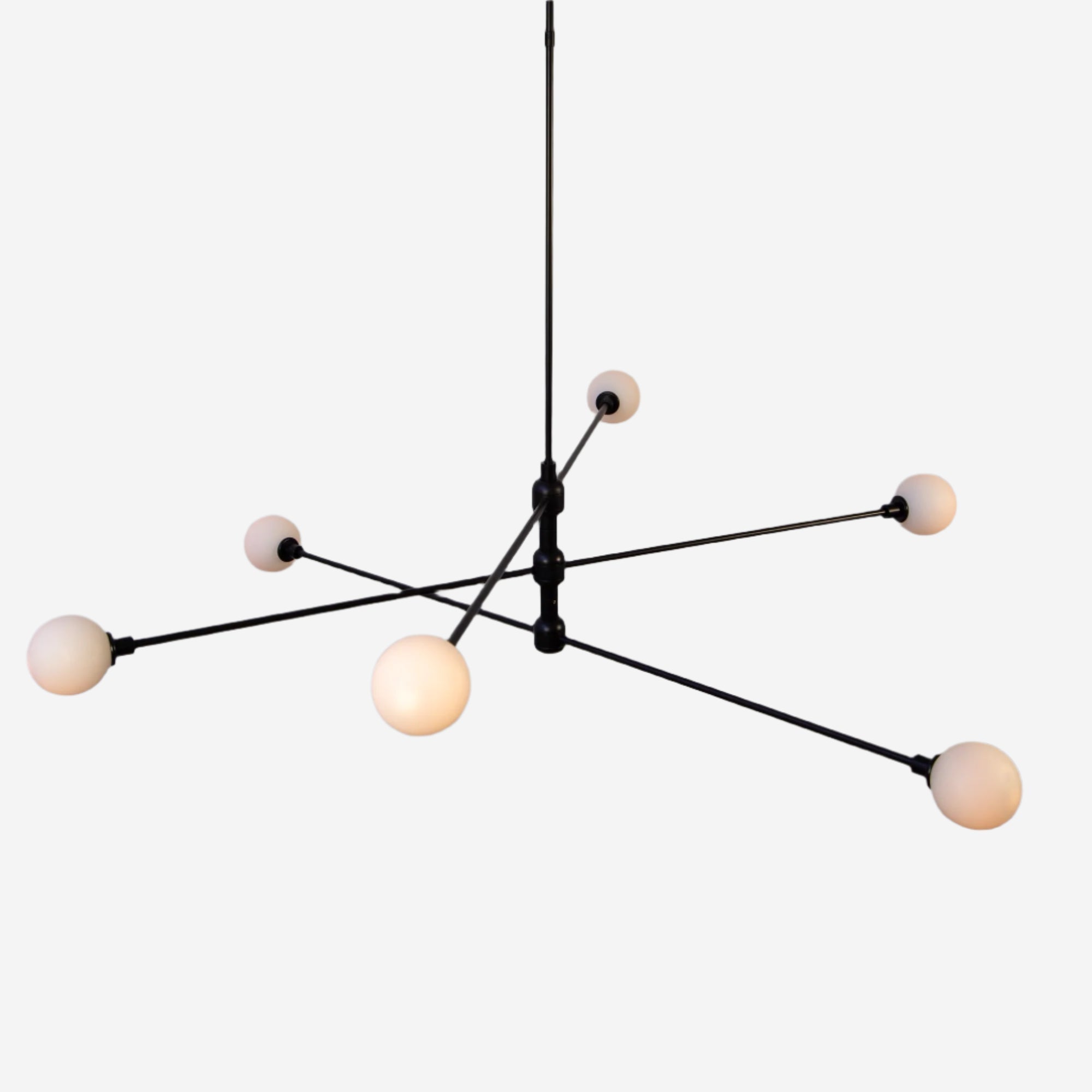
Bunch Pendant Light by Research.Lighting
Big-picture stairway lighting planning
How should stairway lighting differ from lighting in other areas of the home?
Stair lighting has a job that is slightly different from a living room or bedroom. You are not just setting a mood, you are guiding movement on a vertical path where missteps hurt. That usually means more even light, fewer dramatic shadows, and fixtures placed with actual foot traffic in mind. Think of it as lighting for circulation, not lounging. You still want it to look good, but clarity, contrast, and comfort come first on stairs.
Why is stair lighting so important for both safety and comfort?
On stairs, your eyes and feet are working together the whole time. If the treads blur, the edges disappear, or the light is too bright to see properly, people feel tense even if they do not say it out loud. Good stair lighting clearly outlines each step, softens harsh shadows, and makes the route feel predictable. The result is fewer stumbles and a more relaxed walk up or down. It is small, everyday safety that adds up.
What fixture types are most commonly used on stairs?
Most stairways lean on a mix of overhead fixtures and lights along the wall. That might look like a flush mount or small stairway pendant centered in the space, paired with wall sconces at landing height, or low step lights tucked into the wall or riser. In some projects, handrail lighting or recessed ceiling spots do the heavy lifting. The right mix depends on ceiling height, stair width, and whether the stair is open or enclosed, but those are the usual suspects.
When during a remodel should stair lighting be planned?
Plan stair lighting early, while walls and ceilings are still open on paper or in real life. Ideally, it is part of the initial electrical layout, alongside outlet locations and main room lighting. That timing gives you freedom to add junction boxes, run extra wiring, or integrate switches where they actually make sense. Waiting until trim or finishes are installed usually means compromises, like fixtures that are slightly off center or fewer lights than you really need.
What stairway lighting mistakes do people regret most often?
The big regrets are usually about not enough light, light in the wrong place, or fixtures that glare right in your eyes. A single bright ceiling fixture that throws hard shadows on each tread is a classic one. Another is putting switches only at one end of the stair, so you are walking in the dark to find them. People also regret ignoring color temperature and ending up with cold, harsh light that makes the stair feel a bit unforgiving.
What should we upgrade first if we can only improve one or two fixtures?
If you are working in stages, start with whatever fixture you rely on most for basic visibility. Often that is the main ceiling light or a key landing fixture. Swapping it for something that spreads light more evenly and accepts dimming can be a big upgrade on its own. Next, look at the darkest stretch of the stair run and add a sconce or step light there. A single well placed light can do more than a handful of tiny accents.
How can lighting help visually connect the floors of a home?
Stairs are the link between levels, so the lighting can act like a thread that ties everything together. Repeating a finish, shape, or general style from one floor to the next is an easy move. You can echo the warmth or coolness of the bulbs, keep trim details similar, or line up heights so fixtures feel aligned as you look through the house. The goal is not matching every piece, but creating a clear rhythm that feels intentional from top to bottom.

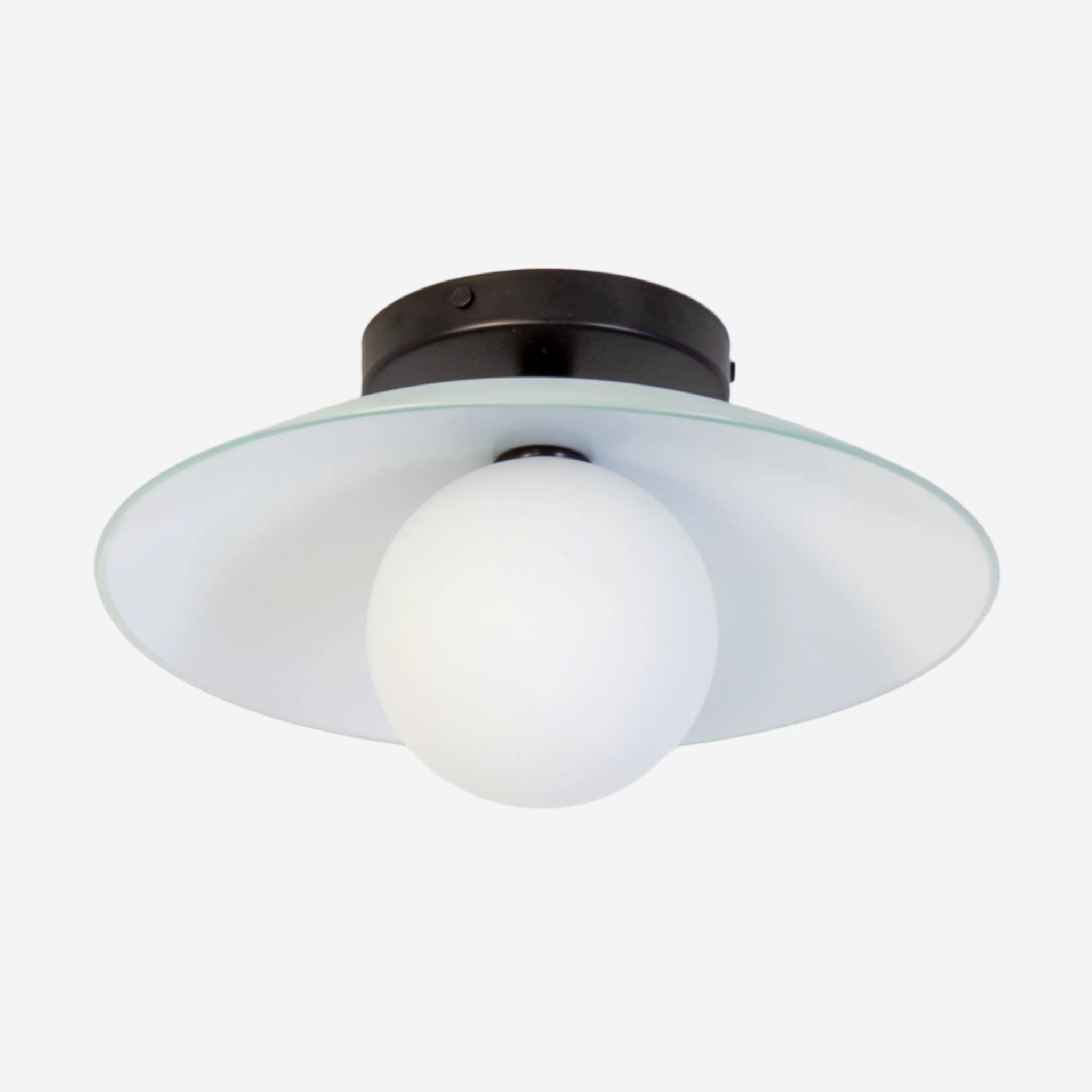
Dome Pendant Light by Research Lighting
Safety, code, and accessibility
What safety guidelines matter most for stair lighting?
The essentials are simple: steps should be clearly visible, transitions should be easy to read, and glare should be minimized. That means aiming for even light across treads, avoiding big jumps in brightness between the stair and adjacent areas, and keeping bare bulbs out of direct sight lines. Add switches at both the top and bottom so nobody walks in darkness. Local building codes may set minimums, but if the stairs feel uncertain underfoot, it is worth boosting the lighting a bit.
Are there code requirements for light levels on stairs and landings?
Many building codes call for stairs and landings to reach certain minimum light levels, often framed as basic visibility rather than mood lighting. The exact numbers and wording vary by region, so it is smart to check with your local building department or design professional if you are doing a permitted project. As a general rule, if you can clearly see each tread edge without squinting or waiting for your eyes to adjust, you are headed in the right direction.
Are there rules about fixture placement near treads, risers, or handrails?
Yes, there are usually rules about head clearance, projections from the wall, and handrail grip. Fixtures typically cannot stick out so far that they interfere with walking or holding the rail. There may also be guidelines for how high above the tread a fixture or trim piece can sit. Because those details change by location and stair type, it is best to pair design ideas with a quick check of local code or run them by your architect or contractor.
How can lighting help prevent trips and falls on stairs?
Lighting helps most when it clearly defines edges, changes in level, and obstacles. That might mean grazing light across the treads to reveal texture, adding gentle contrast between riser and tread, or keeping landings bright enough that a dropped bag or toy is easy to spot. Avoid strong hot spots that force your eyes to constantly adjust as you move. If people can read the stair in one quick glance, they are far less likely to misjudge a step.
What lighting considerations matter for older adults or people with low vision?
For older adults or anyone with low vision, contrast and consistency are key. Aim for a bit more overall brightness on the stairs, but keep it soft and even so there are no jarring shadows. Choose warm to neutral color temperatures that feel comfortable, and avoid fixtures that create pinpoint glare. Illuminated handrails, step lights, or clear lights at landings can help outline the path. Most importantly, keep controls simple and predictable so the lighting behaves the same way every time.
Are motion-activated or low-level night lights useful for nighttime stair use?
They can be very helpful, especially in homes where people move around at night or share the space with kids, guests, or older family members. Motion-activated or low-level lights provide just enough illumination to see steps without fully waking you up or flooding nearby rooms. They are also useful as a backup if someone forgets to switch on the main stair lighting. Just make sure the sensor placement is reliable, so the lights turn on before you reach the first step.
Do handrail placement rules affect where sconces or step lights can go?
Yes, handrail requirements often set the clear space you need around the rail, which then shapes where you can safely put fixtures. Sconces usually need to sit above the rail at a height that still keeps them out of head range. Step lights are typically tucked low, below the rail zone and flush with the wall. When planning, sketch the handrail first, then layer in lighting around it. That order keeps you from accidentally blocking the one thing people must be able to grab.

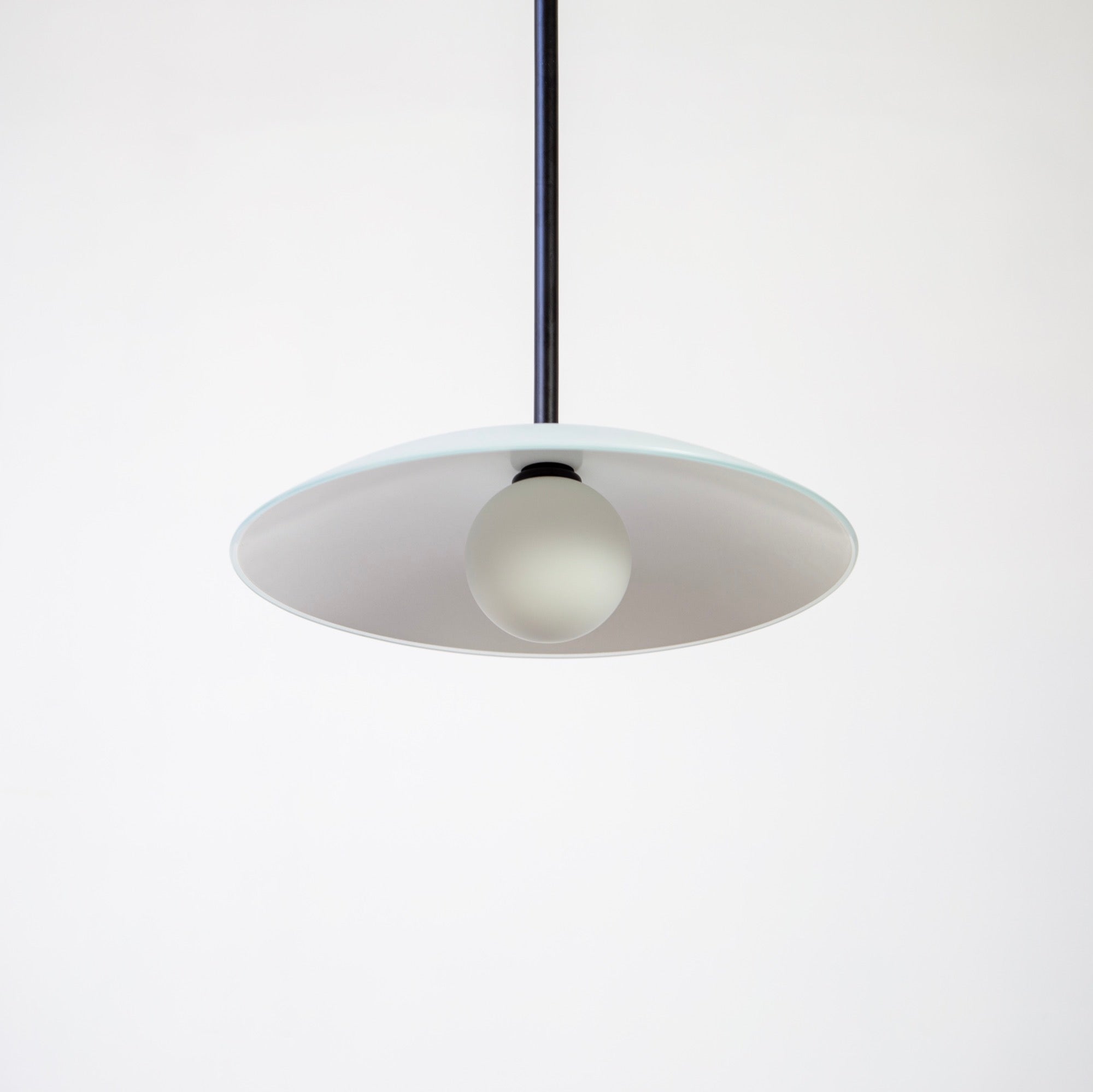
Dish Pendant Light by Research.Lighting
Standard interior stairways
How bright should an interior stairway be?
You want enough light to clearly see each tread and landing without feeling like you are under a spotlight. A practical approach is to treat the stair a bit brighter than a hallway but softer than a task area. If you are using dimmers, aim for a comfortable everyday setting, with the option to bring levels down at night. The real test is simple: can you walk the stairs confidently without pausing or squinting, day and night? If yes, you are in a good range.
Are ceiling fixtures alone enough, or should we add sconces or step lights?
A single ceiling fixture can technically light a stair, but it often leaves shadows on treads and feels a bit flat. Adding sconces or step lights helps shape the light along the run and brings it closer to where your feet actually move. In many homes, a combination works best: a ceiling light to set the overall level, then wall or step lighting to clean up dark spots. If wiring is tricky, even adding one extra fixture at a landing can help.
What fixtures work best in narrow or enclosed stairwells?
In tight stairwells, low profile fixtures are your friend. Stairwell flush mounts, slim surface lights, or compact recessed fixtures in the ceiling keep headroom clear. On the walls, pick sconces that do not project too far and mount them where shoulders will not bump them. Step lights can be a great tool in narrow stairs because they stay out of the way and still mark each tread. The goal is a stair that feels bright and calm without anything jutting into the path.
How can we avoid harsh shadows on stair treads?
Harsh shadows usually happen when one bright fixture hits the steps from a single angle. To soften them, think about layering light from more than one direction. That might be a ceiling light paired with sconces, or step lights that graze across the treads. Using fixtures with diffusers, not bare bulbs, also helps. Aim for overlap so each tread is touched by more than one source. When edges look clear and the shadows feel soft, you are in a safer, more comfortable zone.
Where should stair light switches be located for easy use?
Ideally, you can turn the main stair lights on and off from both the top and bottom of the run. That usually means a three way switching setup tied to the primary fixtures. If there is a landing with a nearby doorway, an extra switch there can be helpful, but do not overcomplicate it. People should not have to cross a dark area to find the control. Picture how you actually move through the house and place switches where that path begins and ends.
How can lighting help an enclosed stair feel more open?
In an enclosed stair, lighting can soften the tunnel feeling. Brighter, even light is your baseline, but small choices make a big difference. Wall washing or sconces that bounce light onto the upper walls and ceiling can visually stretch the space. A light color on walls paired with a diffused ceiling fixture keeps things from feeling cramped. If possible, echo light levels from adjacent spaces so crossing into the stair does not feel like stepping into a separate, darker zone.
What fixtures work best in stairways with low or sloped ceilings?
For low or sloped ceilings, stick with fixtures that hug the surface and respect head clearance. Flush or very shallow semi flush mounts are usually the safest choices overhead. You can then lean more on wall sconces or step lights to add character and fill in light where the ceiling dips. Angle any directional lights so they wash walls rather than aim straight down at heads. The idea is to keep the vertical path clear while still making the stair feel intentionally lit.
Should stair lighting coordinate with nearby hallway fixtures?
Coordinating does not have to mean matching everything, but it helps when there is some shared language. That might be a similar finish, a repeated glass shape, or just a consistent level of simplicity. If the hallway lighting is quieter, the stair can lean slightly more expressive, or the other way around. What you want to avoid is a sharp style clash right where spaces meet. Think of hallway, stair, and landing as one continuous experience and design the lighting as a group.
How should we light a stair that opens directly into a bedroom or living room?
When a stair pours directly into a bedroom or living area, control becomes just as important as brightness. Dimmers, layered circuits, or low level night options will keep the stair usable without flooding the adjoining room. Aim fixtures away from the main seating or sleeping zones to cut glare. It can also help to choose shades or diffusers that soften the light. You want safe, clear steps, but you also want someone in the adjacent room to relax comfortably.
How do we handle lighting for stairs used frequently at night by kids or guests?
For night heavy stairs, predictability and gentle light matter most. Consider pairing the main lighting with low level options, like step lights, a soft night mode, or motion activated fixtures that come on as people approach. Make sure switches are obvious and labeled in multi way setups so guests are not guessing. Choose a warmer color temperature that feels calm in the middle of the night. The aim is simple: nobody should be tempted to use their phone flashlight on the stairs.

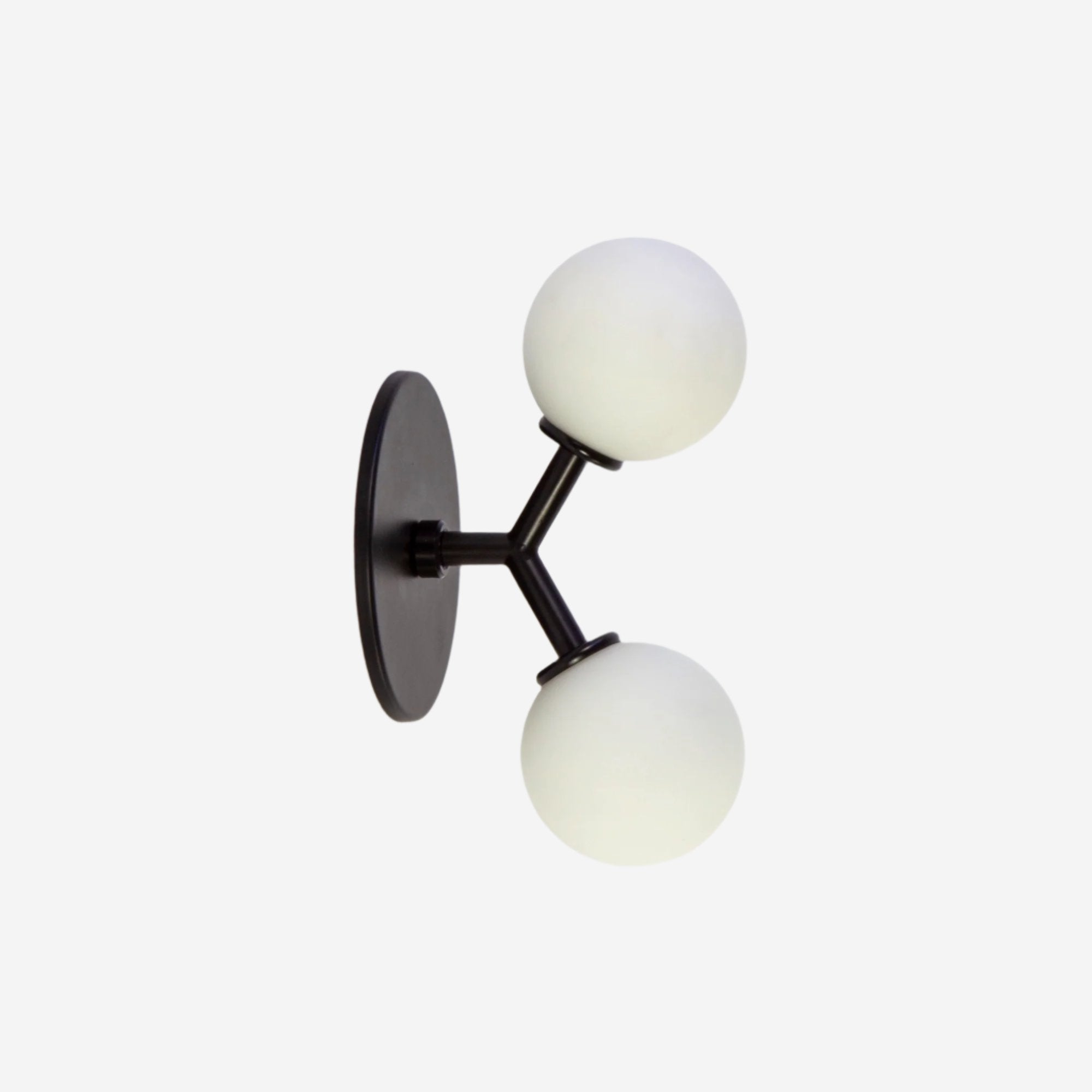
Y Pendant Light Mini by Research.Lighting
Open stairs, feature stairs, and double-height spaces
How should we light an open staircase that’s visible from multiple rooms?
For an open staircase, the lighting is doing double duty. It must keep the steps safe while also looking good from several angles. Start by thinking about how the stair appears from key spots, like the living room, entryway, or upper landing. A single pendant or a staircase chandelier can anchor the volume, then you can layer in quieter support, such as wall lighting or concealed strip lighting. Aim for a setup that looks intentional from a distance and still feels comfortable when you are on the stairs.
What special considerations apply to stairs in double-height spaces?
Double height stairs are dramatic by nature, but drama is not the only goal. You need fixtures that can throw light down to the steps without feeling lost in the tall volume. That often means a larger central piece or a series of fixtures, plus some supplemental lighting closer to the treads. Maintenance is another big factor. Plan for how you will change bulbs, clean glass, or adjust hanging lengths. Lifts, long poles, or hinged fixtures can all be part of that plan.
How large should a chandelier or pendant be over an open stair?
Scale depends on the stair width and ceiling height, but as a rough guide, fixtures in open stairs can usually be larger than you think. The volume of air around them keeps them from feeling oversized. Look at the fixture in relation to the stair width, railing height, and nearby openings. You want something that has a presence but still leaves plenty of visual breathing room. Mockups with tape, cardboard, or a paper outline can be surprisingly useful before you commit.
How low can a hanging fixture drop without feeling unsafe?
Clear headroom is non negotiable. In most cases, you want the lowest point of a hanging fixture well above the tallest person in the house, even at the highest tread they will pass under. Building codes also set minimum clearances, so check those if you are unsure. In double height spaces, it often looks best when the fixture sits somewhere between the upper and lower levels, not too close to either. When in doubt, err slightly higher and lean on wall or step light for intimacy.
Is it better to use one statement fixture or multiple smaller fixtures?
Both approaches can work. One statement piece is simple and often easier to wire, and it gives the stair a clear focal point. Multiple fixtures, like a cluster of pendants or a vertical series, can emphasize height and movement. The choice comes down to how busy the rest of the house is visually. If there is already a lot going on, a single calm piece may feel right. If the architecture is minimal, a composed grouping can add rhythm without feeling loud.
How can lighting highlight the architecture of a sculptural staircase?
With a sculptural stair, the lighting should feel like it is collaborating with the form. Grazing light along a curved wall, thin handrail lighting that traces the path, or spotlights that skim across interesting shadows all help. Try to avoid placing fixtures where they visually compete with the structure itself. Instead, let them echo lines or emphasize transitions, like landings or turns. When done well, people notice the stair first and the lighting second, which is usually the goal for this kind of feature.
How can we avoid glare when viewing stair fixtures from an upstairs landing?
Glare often shows up when you can see straight into a bulb from the landing. To avoid that, look at fixtures from both levels before committing. Choose diffused shades, shielded bulbs, or designs that direct light sideways and down rather than straight into your eyes. Adjust hanging height so the fixture is either comfortably below eye level or clearly above it. If you still have bright spots, add secondary lighting along the stair so you are not relying on a single very bright source.
How can we safely maintain or clean fixtures mounted high above a stair?
Maintenance for high fixtures should be part of the design conversation, not an afterthought. Options include using lifts, extension tools, or fixtures that can be lowered on a cable system for cleaning and bulb changes. Some people also plan a small access hatch or landing where a ladder can safely sit. Choosing fixtures with accessible bulbs and minimal dust catching details helps, too. The goal is for upkeep to feel manageable, not like a risky circus act every few years.

Loop Sconce by Research.Lighting
Basement, utility, and secondary stairs
How should lighting change for steep or narrow basement stairs?
Steep or narrow basement stairs need straightforward, generous light. People often carry boxes, laundry baskets, or tools here, so hands and sightlines are already a bit compromised. Aim for bright, even coverage from overhead fixtures, paired with wall or step lighting if the run feels especially tight. Avoid bare bulbs that glare in your eyes as you look up or down. A simple, reliable setup that makes every tread stand out is more important here than mood or decorative impact.
What fixtures work well for basement, garage, or utility stairs?
For utility areas, durability and clarity matter more than ornament. Look for fixtures that are enclosed, easy to clean, and rated appropriately for any moisture or dust. LED flush mounts, practical surface fixtures, or sturdy wall lights are common choices. You can still be thoughtful about placement and color temperature so the light feels pleasant rather than harsh. The main goal is a stair that feels safe at all times, even when your hands are full and your mind is on something else.
How bright should secondary stairs be for safe use?
Secondary stairs do not need dramatic lighting, but they should never feel dim or uncertain. Treat them like primary circulation routes, just with a simpler fixture package. If you walk them with laundry, storage, or seasonal items, give yourself extra brightness so obstacles are obvious. Dimmers are less essential here than straightforward controls that always produce a predictable level. If you ever hesitate before stepping down, that is a sign the light level should be turned up.
What should we consider when lighting stairs in unfinished or partially finished spaces?
In unfinished areas, the surroundings may be rough, but the lighting still needs to feel reliable. Exposed framing, lower ceilings, and visible wiring all shape where fixtures can go. Use fixtures rated for the environment, protect them from accidental bumps, and keep wiring tidy and secure. Think about how the space might evolve over time, too. Running an extra circuit or adding a junction box now can make it easier to upgrade from basic utility lights to something more refined later.
How can we improve basement stair lighting when wiring options are limited?
If new wiring is tough, focus on making the most of the circuits you already have. Swapping in higher quality fixtures with better optics, adding brighter but still comfortable bulbs, or choosing a wider beam spread can all help. In some cases, code compliant plug in or battery powered step lights or night lights can supplement the hardwired setup. Just make sure anything you add is mounted securely and does not create tripping hazards along the wall or floor.

Hive Sconce by Research.Lighting
Exterior steps, porches, and outdoor stairs
What lighting strategies work best for outdoor steps and stairs?
Outdoors, you are dealing with darkness, weather, and sometimes uneven surfaces, so clarity is everything. Combine ambient light, like a porch ceiling fixture, with targeted lighting on the steps themselves. That might be riser lights, fixtures tucked into side walls, or posts with integrated lighting. Keep the beam focused on the walking surface and edges rather than shining into eyes or out into the yard. When in doubt, walk the route at night and notice where your feet and eyes naturally go.
How bright should outdoor stairs be at night?
You want outdoor stairs bright enough that edges and changes in level are obvious without creating a harsh, washed out path. Think in terms of gentle, layered pools of light rather than one intense flood. Overly bright fixtures can cause glare and make surrounding darkness feel deeper, which is not helpful. Dimmers or multiple circuits are handy near entries, where you might want a welcoming level for guests and a softer, low mode for everyday nights at home.
What fixture types are ideal for front steps or porch stairs?
For front steps, fixtures that combine function and a bit of character usually work best. Wall lights by the door, overhead porch fixtures, or post lights at the top or bottom of the stairs can all help. Pair those with step or side wall lights for the actual treads if the run is long or steep. Make sure everything is appropriately rated for outdoor use, and keep the style in conversation with the architecture rather than feeling like a separate layer.
What wet-location or IP ratings should exterior stair lights have?
Exterior stair lights need ratings that match how exposed they are to weather. Fully exposed fixtures often need wet location ratings, while covered porches might allow for damp rated fixtures. IP ratings vary by manufacturer, but higher numbers typically mean better protection against dust and water. Because requirements change by region and fixture type, it is worth checking product specs and local guidelines. The main point is simple: choose fixtures that are designed to live outside for the long haul.
Are recessed step lights a good choice outdoors, or do they collect debris?
Recessed step lights can look clean and do a great job of marking treads, but they do need some care. Outdoors, you will want models designed for exterior use, installed so water drains properly and trim can be cleaned. They can collect leaves or dirt depending on placement, so think about wind direction, nearby landscaping, and how easy they are to reach with a broom or brush. If that all feels manageable, they can be a very effective solution.
How can we avoid glare on outdoor steps?
To avoid glare, start by keeping bright bulbs out of direct sight lines. Use fixtures with shields, louvers, or diffusers, and aim light downward onto the steps rather than outward. Lower mounting heights often help, as does choosing warmer color temperatures at night. If you already have fixtures installed, you can sometimes solve glare by swapping bulbs, adjusting angles, or adding a small accessory shield. Walk the stairs at night from multiple directions and tweak until your eyes feel relaxed.
How should we light stairs that connect decks, patios, or multi-level terraces?
For stairs between outdoor levels, think of the whole sequence as one continuous route. Each landing should feel gently lit, with the steps between clearly defined but not overly bright. Recessed side lights, post lights, or integrated rail lighting often work well because they stay out of the way. Try to keep color temperature and style consistent across all levels so the experience feels unified. The end result should be a path that is easy to follow and still feels calm in the evening.
How can lighting help guests clearly identify edges and landings at night?
Edges and landings need just a bit more definition than the rest of the surface. That can come from grazing light along the nosing, small fixtures that mark the first and last step, or brighter light on landings where people pause or change direction. Avoid creating strong contrast right at the edge, like a very dark tread with a bright riser. Instead, aim for a soft highlight along the whole walking line so guests instinctively know where to place their feet.

Cone 2 Sconce by Research.Lighting
Style, décor, and aesthetics
How closely should stair fixtures match lighting in adjacent rooms?
They do not have to be twins, but they should feel related. Think of stair fixtures as part of the same family as your hallway lighting or living room lights, not a totally different cast. You can repeat a finish, echo a shape, or keep the same general level of simplicity. If nearby rooms are calm and minimal, a wildly ornate stair light will feel jarring. Aim for a shared language so moving from one area to the next feels natural.
Can the staircase have a standout fixture even if the rest of the home is simpler?
Yes, absolutely. A staircase is often one of the few tall, open volumes in a home, which makes it a natural place for a slightly bolder piece. The trick is to keep some connection to the rest of the lighting, whether through finish, color temperature, or general mood. Let the stair fixture be the strong accent, then keep everything around it quieter. When it is done well, the standout piece feels like a highlight, not like it crashed the party.
What fixture styles suit tall, vertical stairwells?
Tall stairwells like fixtures that emphasize their height rather than fighting it. Linear pendants, multi drop clusters, or tiered chandeliers work well because they draw the eye up and down the full volume. You can also play with repetition, such as a vertical stack of smaller fixtures that trace the climb. Whatever you choose, avoid tiny, lonely lights that get lost. The stairwell is generous in scale, so the fixture should hold its own without feeling heavy.
How can lighting highlight railings, paneling, or architectural details on the stair?
Details show up best when light grazes across them instead of blasting them head on. Wall washers or stairway sconces that cast light along the railing or paneling can bring out texture and depth. Even small step lights can create interesting shadows along a sculpted stringer or trim. The goal is to let the architecture do the talking while the lighting quietly frames it. Start by standing where you normally view the stair, then place fixtures to emphasize the lines you love most.
How can we light artwork or family photos along a stair wall?
For art or photos, you want gentle, directional light that does not blind anyone walking by. Picture lights, adjustable wall lights, or small ceiling spots aimed at the wall all work. Keep glare in mind: test the angle from both the steps and the landing to make sure glass frames are not turning into mirrors. It can also help to run the art lighting on its own dimmer, so you can tune it separately from the general stair lighting.
Are open-glass fixtures practical on busy stairs, or are enclosed fixtures better?
Open glass can be beautiful, but it does show dust and fingerprints more easily and can create glare if the bulb is very exposed. In busy households or tight stairwells, enclosed or frosted shades are often more forgiving and comfortable on the eyes. If you love the look of open glass, choose softer bulbs and plan a quick wipe down as part of normal cleaning. Otherwise, a closed form with diffused light keeps things feeling kinder and lower maintenance.
How do we choose fixture scale that doesn’t overwhelm the stairwell?
Start by looking at the width and height of the stair, not just the overall room. A fixture should feel comfortably inside that volume, with breathing room around it on all sides. Too small and it looks accidental, too big and it crowds the railings or headroom. A good trick is to mock up the size with painter's tape or cardboard and view it from the entry, landing, and below. If it feels balanced from all three, you're close.

Globe Sconce by Research.Lighting
Wrapping up stairway lighting
If there is a throughline here, it is pretty simple: the small choices matter. A shift in placement, a softer glow, a fixture that stays calm instead of calling attention to itself. These moves shape how the stairs feel long before anyone notices why.
Use these notes as a starting point, then let your space have a say. Every stairwell has its own personality. When you need the specifics, the product pages will fill in the details. Until then, keep it easy and keep the steps lit.