Wall Sconce FAQs: A Complete Guide to Placement, Lighting, and Use
Wall sconces tend to raise more questions than most light fixtures. They’re more permanent than table lamps or floor lamps, less obvious than pendant lights or ceiling lights, and often chosen as much for how a space feels as for how it’s lit. That combination can make them feel intimidating, especially when wiring and placement come into play.
This guide is meant to clear things up. Everything below applies to wall sconces in general, across brands, styles, and price points. Specific details like finishes, dimensions, ratings, or bulb requirements always vary by fixture, so for anything product-specific, the right place to look is the individual product page.
Think of this as the big-picture view: how sconces work, where they make sense, and what to expect once they’re on the wall. If you have a specific question about one of Research.Lighting's fixtures, consult the product's page or feel free to reach out to us.

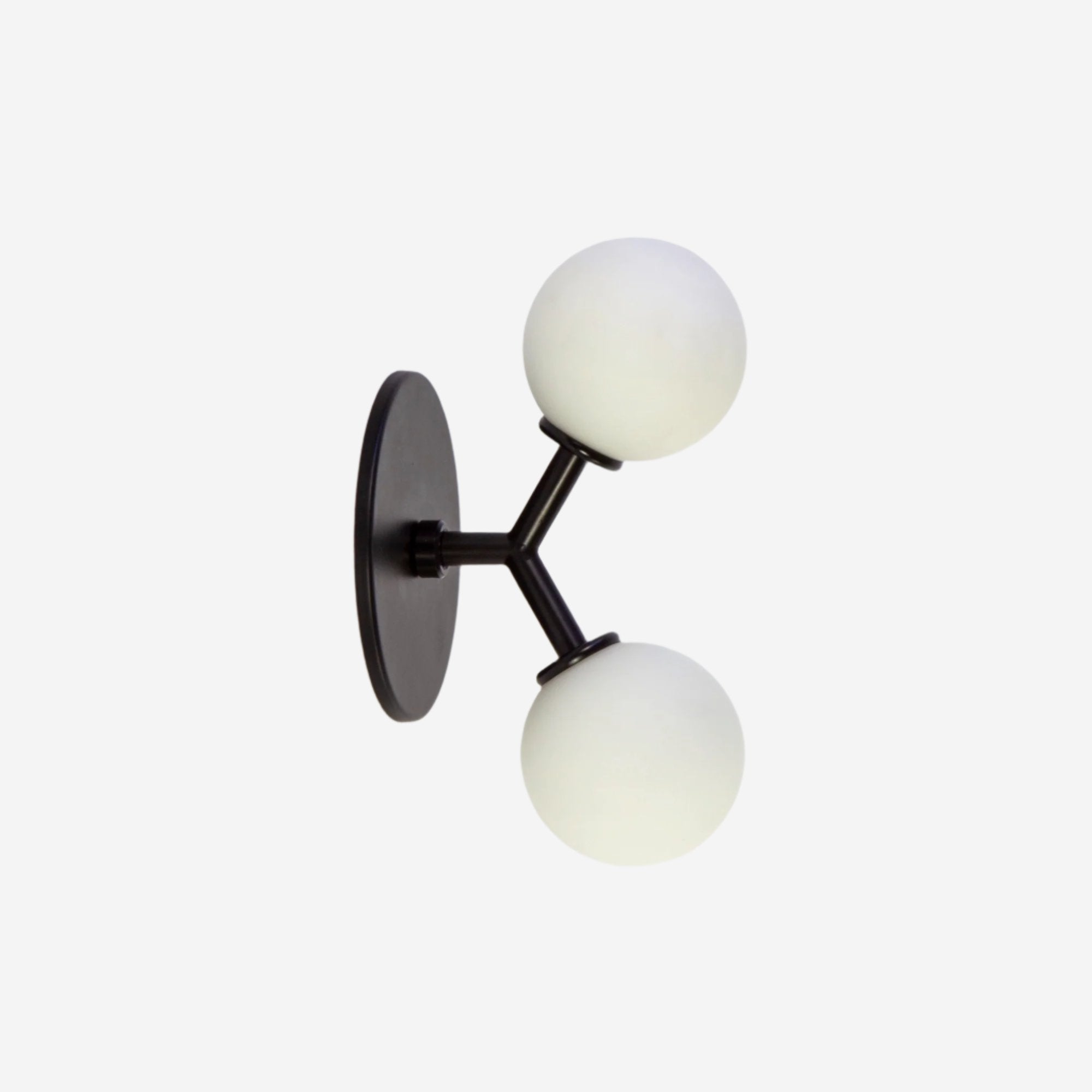
Hive Sconce by Research.Lighting
What a Sconce Is (and Isn’t)
What is a wall sconce?
A wall sconce is a light fixture mounted directly to a wall, rather than placed on a surface or hung from the ceiling. Because it lives at eye level, it tends to feel more integrated with the room and less like an add-on.
For further reading on this and the history behind the word, check out Wall Sconce Meaning: What is a Sconce?.
What distinguishes a wall sconce from a wall lamp, picture light, or vanity light?
Sconces are general-purpose wall fixtures meant to light a space, while picture lights and vanity lights are designed for very specific tasks. Wall lamps are often plug-in and movable, whereas sconces are typically fixed in place and feel more architectural.
Are sconces considered ambient, task, or accent lighting?
They can fall into any of those categories depending on design, bulb, and placement. In most homes, sconces act as ambient or accent lighting, supporting the room rather than doing all the work themselves.
Why would someone choose a sconce instead of a table or floor lamp?
Sconces free up floor and surface space and remove visual clutter. They also allow light to live exactly where it’s needed, instead of being dictated by furniture placement or outlet locations.

Cone 2 Sconce by Research.Lighting
Why and When to Use Sconces
What problems do wall sconces solve in a space?
They help spread light around a room instead of concentrating it in one spot overhead. They also reduce the need for extra furniture, cords, and shades, which can make a space feel calmer and more intentional.
When do sconces make more sense than overhead lighting?
When overhead light feels harsh, flat, or too dominant. Spaces meant for winding down rather than staying alert often benefit from light that comes from the wall instead of the ceiling.
Can sconces reduce the need for ceiling fixtures?
In some rooms, yes. They’re often used to soften or supplement overhead lighting, and in smaller spaces, they can dramatically reduce how often ceiling lights are turned on.
Are sconces practical, decorative, or both?
They’re both at once. The most successful sconces are useful day to day, while also adding shape, rhythm, and presence to the wall even when they’re off.

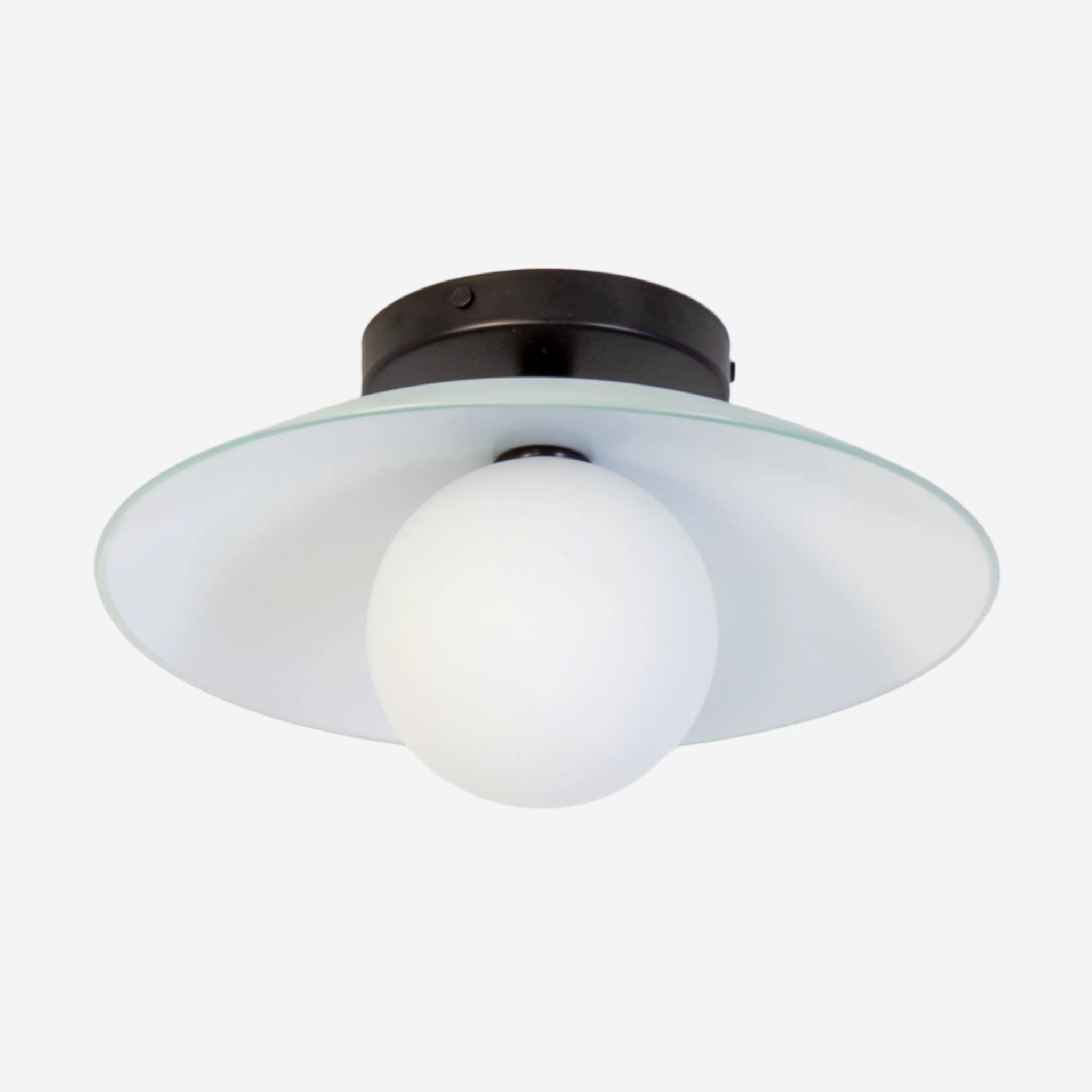
Dish Sconce By Research.Lighting
Room-by-Room Use
Where do wall sconces work best in a home?
Anywhere a wall can carry light without crowding the room. In hallways, bedrooms, bathrooms, stairways, and living room lighting sconces are particularly common. You can also use sconces in a kitchen flanking a window - or as wall lamps in a dining room. Pretty much any room works depending on your overall lighting plan.
Are sconces a good choice for hallways and corridors?
Yes. Hallway sconces provide consistent, directional light and create a sense of movement without making narrow spaces feel compressed or overlit.
Do sconces work well in bedrooms instead of bedside lamps?
They often do, especially when nightstand space is limited. Mounted thoughtfully, they provide reading light while keeping the area around the bed feeling open.
Can sconces be used in living rooms and dining spaces?
Absolutely. In living rooms, sconces usually play a supporting role, adding depth and softness alongside other light sources.
Are sconces appropriate for entryways and staircases?
Entryway sconces and stairway sconces are especially effective. These transitional spaces benefit from even, predictable light that improves visibility without demanding attention.
Can sconces be used in closets, dressing areas, or home offices?
They can, though brightness and placement matter more in these settings. In functional spaces, sconces usually work best as part of a layered lighting plan.
Are sconces suitable for commercial lighting or hospitality spaces?
Very much so. Hotel lighting, restaurant light fixtures, and office lighting plans rely on sconces for durability, atmosphere, and visual order, especially in circulation areas.

Shapes Sconce by Research.Lighting
Placement, Height, and Spacing
How high should a wall sconce be mounted?
A common guideline is mounting the center of the fixture around 60 to 66 inches from the floor. This keeps the light comfortable at eye level for most people.
Does mounting height change depending on the room or use?
Yes. Bedside sconces are often mounted lower for reading, while hallway sconces may sit higher to spread light more evenly along the wall.
How far apart should multiple sconces be spaced?
Six to eight feet apart is a starting point, but spacing should respond to wall length, ceiling height, and fixture scale rather than a fixed rule.
Should sconces be installed symmetrically or asymmetrically?
Symmetry tends to feel orderly and calm, while asymmetry feels looser and more contemporary. Either works when the decision is intentional.
How do you choose the right size sconce for a wall?
Look at the wall as a whole. The sconce should feel proportional to nearby doors, furniture, and ceiling height, not oversized or timid.
What happens if a sconce is mounted too high or too low?
Too high, and the light can feel disconnected from the room. Too low, and it can cause glare or interfere with how the space is used.

Dome Sconce by Research.Lighting
Direction and Light Behavior
What is the difference between up-light, down-light, and diffused sconces?
Up-lighting reflects light off surrounding surfaces, down-lighting directs it more precisely, and diffused designs soften light in multiple directions.
How does a sconce affect shadows and contrast in a room?
Because light comes from the wall rather than overhead, shadows are usually softer and more directional, adding depth instead of flattening the space.
Are sconces meant to be bright or atmospheric?
In most cases, atmospheric. They’re best at shaping how a room feels rather than flooding it with light.
Can sconces provide enough light on their own?
In smaller spaces or hallways, they often can. In larger rooms, they usually work best alongside other fixtures.
How does shade material or openness affect light output?
Sconces with open shades or glass sconces allow more light to escape, while opaque shades focus or soften it, changing both brightness and mood.

Bulbs and Light Quality
What types of bulbs do wall sconces typically use?
Most use standard household bulbs, though bases and wattage limits vary by fixture. Always check the specific product details before buying bulbs in bulk.
How does bulb choice change the feel of a sconce?
It has a major impact. Brightness and color temperature often matter more than the fixture itself when it comes to how the light feels.
Are LED bulbs recommended for sconces?
Generally, yes. LEDs last longer, run cooler, and are well suited to fixtures that may be used for long periods.
What color temperature works best for sconces?
Warm to neutral light is usually the most comfortable at eye level. Cooler light can feel harsh when used on walls, especially in the evening.
For more, check out Color Temperature Explained: Finding the Right Tone for Your Space.
How much brightness is enough for a sconce?
Enough to support the room without dominating it. Sconces should feel present and helpful, not like a spotlight aimed at your life.
If you want a better understanding of brightness, check out Lumens Explained: How Bright is Bright Enough? or our Lumens to Watts Conversion Chart & Brightness Comparison.
Do sconces get warm during use?
Some warmth is normal, especially with higher-wattage bulbs. Following the manufacturer’s recommendations keeps heat manageable and safe.

Loop Sconce by Research.Lighting
Wiring and Installation
Do wall sconces need to be hardwired?
Most traditional sconces are hardwired, which creates a cleaner, more permanent look. Plug-in options exist, but they typically read more casual and bring cords into the picture.
Can sconces be installed where no wiring exists?
Yes, though it requires running new wiring inside the wall. Planning placement carefully can limit disruption, repair work, and surprise holes.
Are plug-in sconces an option?
They are, particularly for renters or temporary setups. They offer flexibility, but they don’t feel as integrated as hardwired fixtures and usually need thoughtful cord management.
Is professional installation required?
It’s strongly recommended for hardwired sconces to ensure safe connections and secure mounting. If you’re not comfortable working with electrical wiring, this is not the place to improvise.
How invasive is installing a sconce compared to a ceiling light?
It’s often less invasive, but it still involves opening the wall in many cases. The exact scope depends on existing wiring, wall construction, and where switches are located.
What should be planned before opening a wall?
Mounting height, spacing, switch location, and how furniture will sit nearby should all be decided in advance. A little planning here prevents the classic problem of installing a sconce directly behind a headboard.

Shapes Sconce small by Research.Lighting
Switches, Dimming, and Control
Do sconces need their own wall switch?
Not always, but separate switches give the most flexibility, especially for lighting bedrooms and hallway fixtures. If sconces are meant to set a mood, being able to control them independently matters.
Can sconces be dimmed?
Yes, provided the fixture, bulb, and dimmer are compatible. Dimming is one of the easiest ways to make a space feel comfortable across different times of day.
Can sconces be paired with smart switches or dimmers?
Often, yes. Compatibility varies, so it’s worth confirming before installation, especially if you’re mixing smart controls with dimmable LEDs.
Should sconces be on the same circuit as other lights?
That depends on how you want to use them. Separate circuits allow more nuanced control, while shared circuits simplify wiring and switching in some layouts.
Can multiple sconces be controlled together or separately?
Both approaches are common. Group control creates consistency and rhythm, while individual control lets you fine-tune light based on how the room is actually used.

T Sconce Offset by Research.Lighting
Style, Scale, and Visual Presence
How do you choose a sconce style that fits your space?
Look at the room’s materials, proportions, and overall mood. The sconce should feel related without copying everything around it, like it belongs without trying too hard.
How much visual presence should a sconce have on the wall?
Enough to feel intentional when the light is off, but not so much that it competes with the room itself. If your eye only sees the fixture, it may be doing too much.
Should sconces match other light fixtures in the room?
They should feel connected, not identical. Matching can work, but it’s not required, and overly strict matching can make a room feel staged instead of lived-in.
Is it okay to mix sconce styles throughout a home?
Yes. Many homes feel more natural when fixtures evolve slightly from room to room, as long as the overall tone feels consistent.
Do modern sconces work in older or traditional spaces?
Often very well. The contrast can highlight existing architecture rather than fight it, especially when the fixture’s proportions are calm and considered.
Globe Sconce by Research.lIghting
Materials and Finishes
Do different materials affect how a sconce emits light?
They do. Reflective materials bounce light outward, while solid materials absorb or direct it more narrowly, which changes both brightness and the feel of the shadows.
How do metal finishes change the feel of a fixture?
They influence warmth, contrast, and visual weight, which subtly affects how light is perceived. A finish can read quiet or sharp depending on what surrounds it.
Are glass sconces brighter than solid or opaque designs?
Generally, yes, because glass allows more light to pass through and spread. The flip side is that bulb choice becomes even more important when the bulb is more visible.
Will finishes age or change over time?
Some finishes develop patina or wear. Many people consider that part of the fixture’s character, though it’s worth choosing based on how much change you actually want.
Bathrooms and Damp Areas
Can sconces be used in bathrooms?
Yes, when properly rated for the location. Wall-mounted light is especially helpful here because it reduces the sharp shadows overhead light can create on the face.
Where should sconces be placed around mirrors?
Typically at eye level on either side of the mirror for even, flattering illumination. This placement avoids the under-eye shadows that come from relying on ceiling light alone.
Do bathroom sconces require special ratings?
Often they do, especially near moisture. Always confirm suitability for the exact location, since requirements can vary depending on proximity to a shower or tub.
Can sconces be used in powder rooms versus full baths?
Both work well. Full baths simply require more attention to ratings and placement, while powder rooms allow a bit more flexibility.
Long-Term Living With Sconces
Are wall sconces easy to clean?
Most require only light dusting. If a design has lots of tight corners or open bulbs, it may need slightly more attention, but nothing dramatic.
Do sconces require regular maintenance?
Very little beyond occasional bulb replacement and cleaning. Once installed properly, they’re usually the definition of low effort.
Will sconces show dust, fingerprints, or wear?
Some finishes show it more than others, but normal upkeep keeps them looking good. If you know you hate wiping things down, choose accordingly.
How long do sconces typically last?
The fixture itself can last decades if it’s well made and installed correctly. Bulbs are replaced many times before the fixture wears out or feels outdated.
What happens if a bulb needs replacement after installation?
In most cases, replacement is straightforward and expected as part of normal use. The main thing is making sure you can actually reach it without turning it into a weekend project.
Planning, Budget, and Common Mistakes
Should sconces be planned early in a renovation?
Yes. Early planning makes wiring easier and placement more thoughtful, and it prevents the common problem of adding sconces after everything is already painted and finished.
Can sconces be added later without major disruption?
They can be, though it often involves more work than planning ahead. Plug-in sconces can reduce disruption, while hardwired ones may require patching and repainting.
Are sconces more cost-effective than lamps over time?
They can be, especially when durability, energy use, and space savings are factored in. The upfront installation cost is usually the tradeoff, not the fixture itself.
What are the most common mistakes people make with sconces?
Mounting them too high is the classic one. The other big mistakes are choosing overly bright bulbs, skipping dimmers, and forgetting to plan around furniture and doors.
How do you know if a space actually needs a sconce?
If lighting feels uneven, or a wall feels unfinished in a way furniture cannot solve, a sconce is often the missing layer. It’s also a good option when you want atmosphere without adding more stuff.

Dish Sconce By Research.Lighting
Closing Thoughts
Wall sconces are rarely about making a bold statement. More often, they’re about making a space feel settled and considered, without calling attention to themselves. When chosen and placed well, they quietly improve how a room works day after day.
If you’re planning lighting or revisiting a space that feels slightly unresolved, thinking through sconces early can make a noticeable difference. And when it comes to specific dimensions, finishes, ratings, or performance details, always defer to the individual product information. That’s where the real specifics live.