The Ultimate Guide to Modern Lighting
Lighting does a lot of quiet work in a room. It sets the tone, guides how people move through a space, and helps everything feel settled. A pendant over a table, a pair of sconces along a hallway, a soft ceiling light in the evening. Small decisions, but they shape how a home feels day to day.
Modern lighting tends to keep things simple on purpose. Clear shapes, thoughtful placement, and light that feels comfortable to live with. This guide walks through the main fixture types, where they work best, and a few fundamentals that make lighting feel balanced instead of overwhelming.

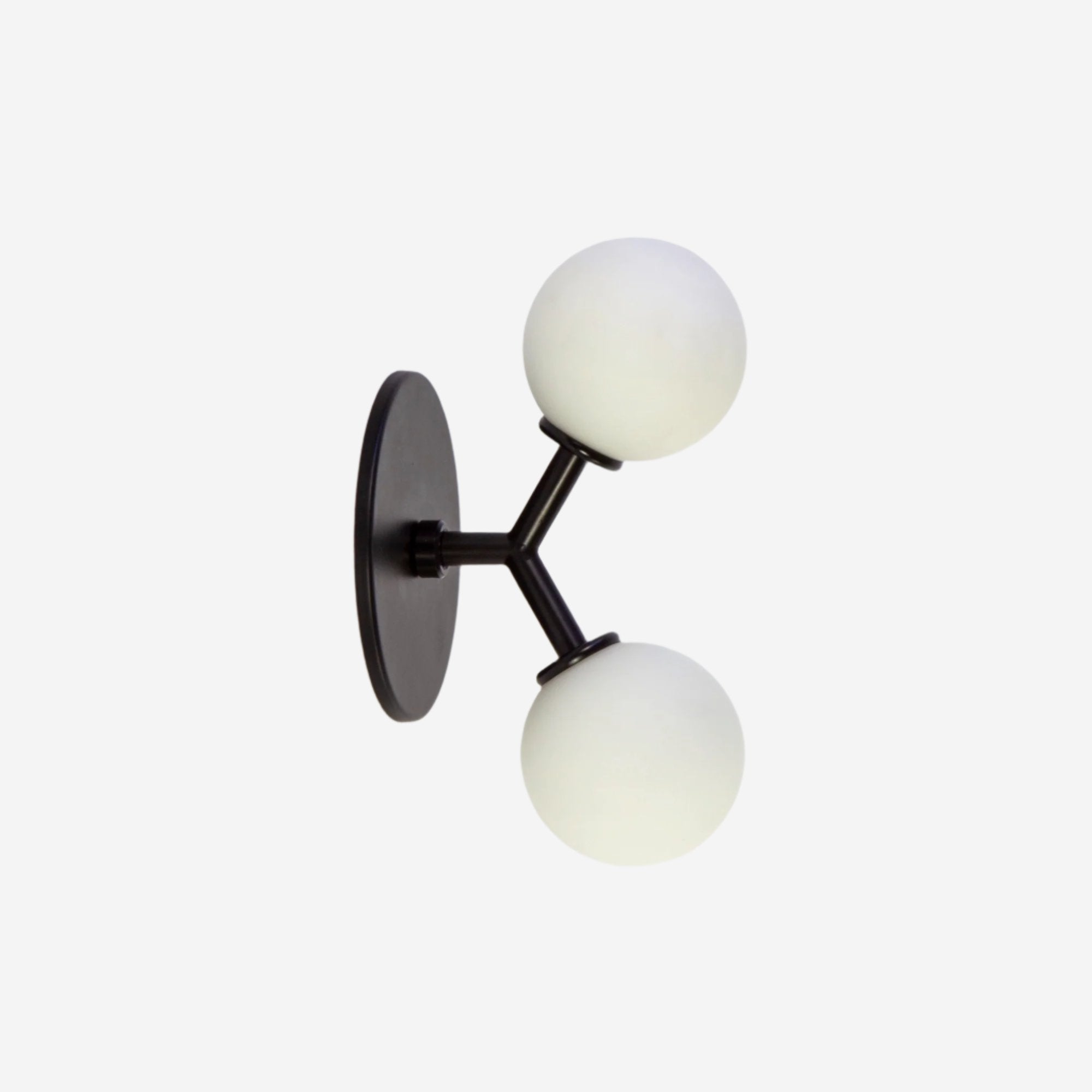
Hive Sconce by Research.Lighting
Types of Light Fixtures
Most spaces benefit from more than one kind of light. Some fixtures hang from above and define the center of a room. Others sit close to the ceiling or live along the wall, adding softer layers around the edges. Understanding what each fixture does makes it easier to build lighting that feels natural instead of overly bright or scattered.
Pendant Lights
Pendant lights are one of the most useful fixtures in modern interiors. Suspended from the ceiling on a rod or cord, they drop light exactly where it is needed while adding a clear focal point in the room. A single pendant can anchor a smaller area, while a row of pendants can create rhythm across a longer surface like an island.
A few common places you'll see pendant lights:
-Kitchen Pendant Lighting: Often installed in pairs or small groups, frequently over kitchen islands, these provide focused task lighting for food prep while visually defining the island below.
-Dining Room Pendant Lights: Typically centered over the table, a dining pendant helps anchor the room while casting comfortable light for meals and gatherings.
-Entryway Pendant Lights: In an entry, a pendant acts as a welcoming focal point, introducing light and scale as soon as you walk through the door.

Dome Pendant Light by Research Lighting
But choosing the right pendant involves more than picking a shape you like. Size, height, and spacing all influence how balanced the room feels. A pendant that hangs too high can feel disconnected, while one that hangs too low can interrupt the flow of the room.
Because of this, pendant lighting tends to raise a few practical questions such as; Do You Need an Electrician to Install Pendant Lights?, Can You Hang a Pendant Light Anywhere?, or Are Pendant Lights Dated or Still in Style?. For detailed answers, take a look at Pendant Lighting FAQs; Sizing, Placement, Style, and Everything Else.
When the scale and height are right, a pendant becomes more than a light source. It quietly holds the room together.

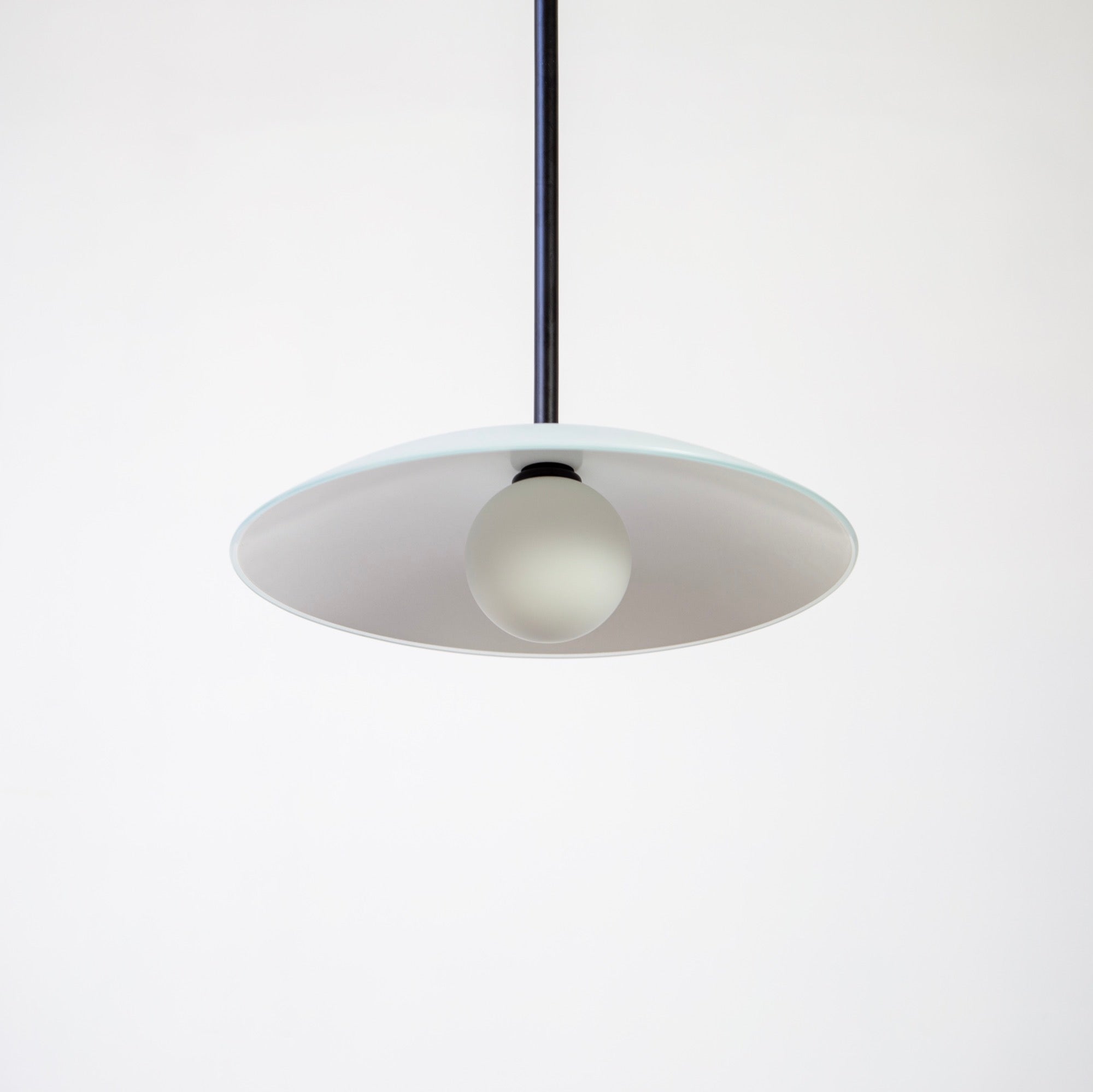
Dish Pendant Light by Research.Lighting
Wall Sconces
Wall sconces bring light down from the walls instead of the ceiling. That small shift changes the whole atmosphere of a space. The light feels softer, more human, and a little closer to where life actually happens. They guide movement through a home and help spread light around the room instead of concentrating it in one spot.
Common Sconce Placement by Room:
-Bedroom Wall Sconces: Mounted beside the bed, these free up nightstand space while providing a comfortable pool of light for reading at night.
-Bathroom Sconces: Usually placed beside a mirror, they spread light evenly across the face and make daily routines a little easier.
-Hallway Wall Sconces: Spaced along a corridor, sconces create a quiet rhythm on the wall while guiding you through the space.
-Entryway Wall Sconces: In an entry, they add warmth at eye level and help the space feel welcoming right away.

Shapes Sconce small by Research.Lighting
Sconces are also an easy way to build layered lighting. Overhead lights handle general brightness, while wall lights add warmth and depth around the edges. Placement is usually the big question. Height, spacing, and brightness all affect how the light lands on the wall. For a deeper dive into these topics, check out Wall Sconce FAQs: A Complete Guide to Placement, Lighting, and Use.
A good sconce is always present, never pushy.

Globe Sconce, Black by Research.Lighting
Flush Mount Ceiling Lights
Flush mount lights sit right against the ceiling, which makes them useful when you want lighting to stay simple and out of the way.
Where Flush Mounts are used:
-Hallway Flush Mount Lighting: In narrower corridors, flush mounts keep the ceiling clear while spreading light evenly down the path.
-Bedroom Flush Mount Lighting: A good choice for lower ceilings, offering soft overhead light without crowding the room.
-Kitchen Flush Mount Lighting: In kitchens that skip pendants, flush mounts provide steady brightness across the whole space.
-Entryway Flush Mount Lighting: In smaller entries, they bring clean overhead light without taking up visual room.

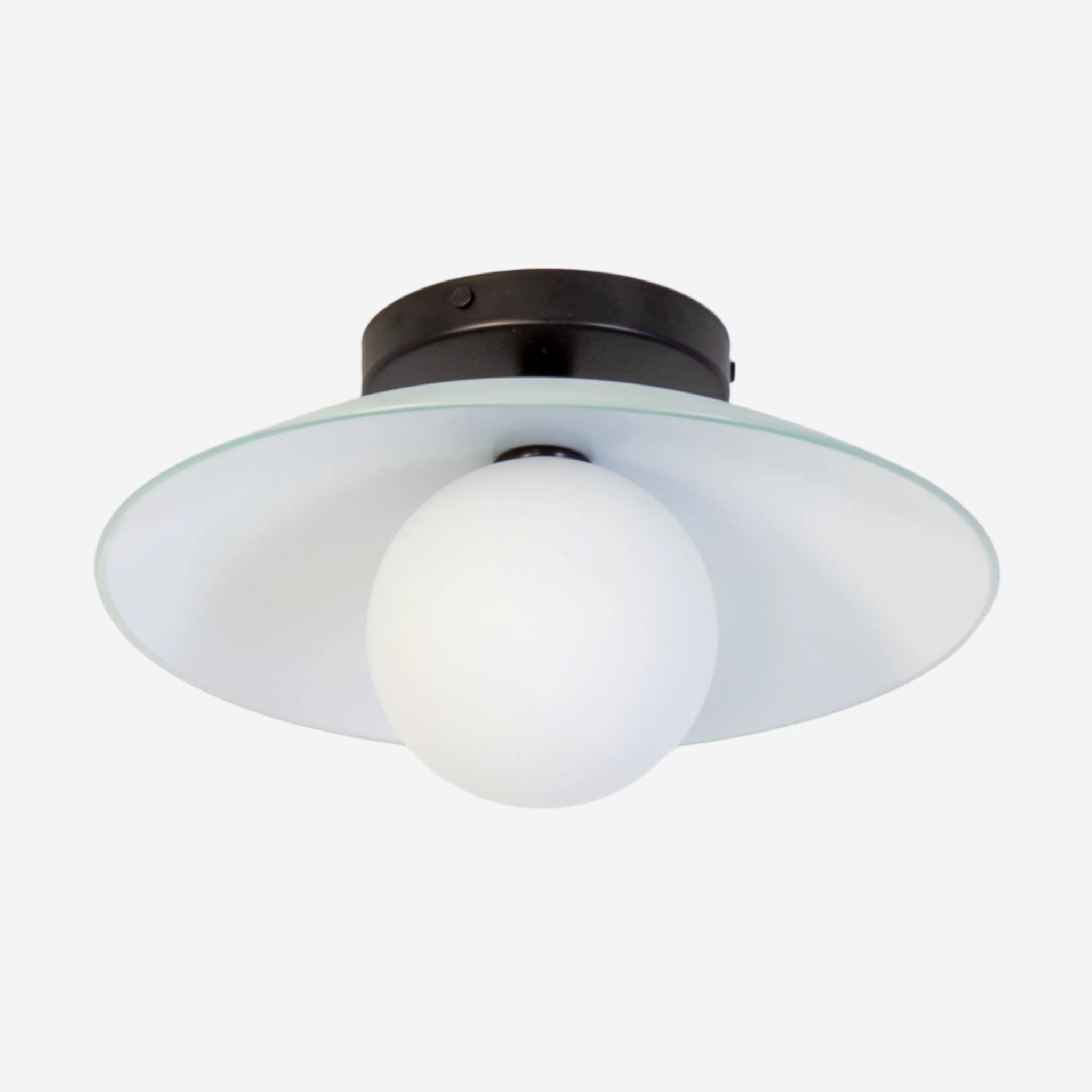
Deep Flush Mount by Research.Lighting
Because they spread light outward from the ceiling plane, flush mounts usually create consistent ambient brightness across the room. Modern versions lean toward quiet geometry. A clean dome, a simple disc, maybe a soft glass form. Nothing complicated, just good proportions doing their job.
Check out Kitchen Lighting FAQs: A Practical Starting Point for more.
Not flashy. Just dependable light where you need it.

Dome Flush Mount by Research Lighting
Chandeliers
Chandeliers organize a room from above. Instead of one central bulb, they spread light across a wider structure, which helps illuminate larger areas while adding presence to the space. What really matters with chandeliers is scale. Too small and the fixture disappears. Too large and it starts to dominate the room.
How you'll see chandeliers used:
-Dining Room Chandeliers: Hung above the table, they help anchor the room while casting comfortable light for dinners that run a little long.
-Living Room Chandeliers: In a larger seating area, a chandelier brings structure from above and helps the room feel settled.
-Entryway & Foyer Chandeliers: In a foyer or stair hall, they introduce light and scale the moment you walk through the door.
-Bedroom Chandeliers: In bedrooms, a chandelier adds a gentle presence overhead while keeping the light soft and relaxed.

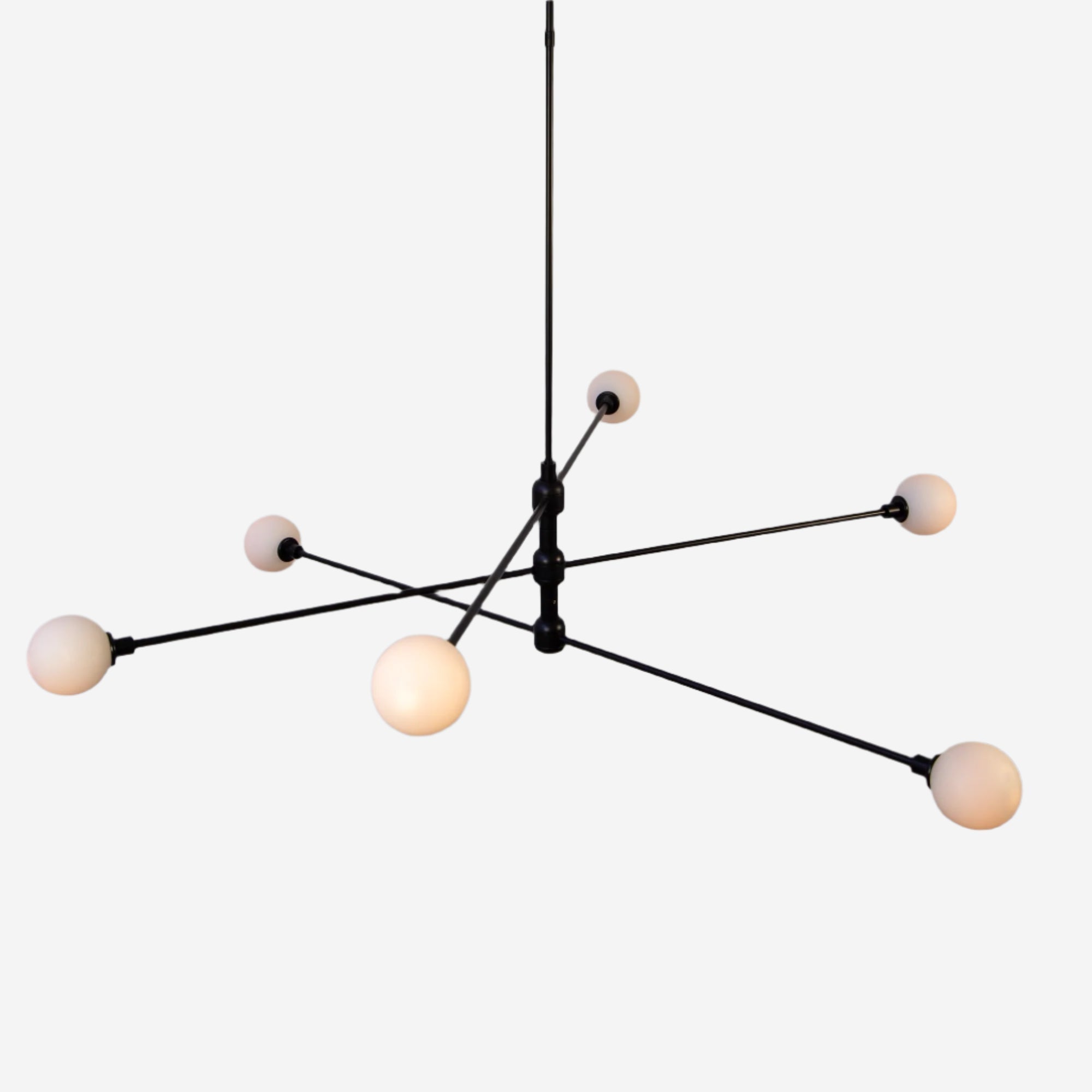
Three Tier Chandelier by Research.Lighting
Modern chandeliers tend to focus on shape and proportion rather than decoration. Clean arms, glass globes, and simple geometry carry most of the visual weight. A good chandelier doesn't shout. It just settles into the room and makes everything feel more complete.
For a deeper dive into chandeliers, check out Chandelier FAQs: A Practical Guide to Choosing the Right Fixture.

Globe 4 Chandelier by Research.Lighting
Table Lamps
Table lamps bring light down to eye level, which immediately softens the atmosphere of a room. They are also one of the easiest ways to add layers to a lighting plan. Overhead lights handle the general brightness, while lamps introduce pockets of softer light around the room.
A few common places you'll see table lamps:
-Bedroom Table Lamps: Sitting on nightstands, they offer easy bedside light for reading or winding down at night.
-Living Room Table Lamps: On side tables or consoles, they add a softer layer of light that helps the room feel more relaxed.
-Office Desk Lights and Table Lamps: On a desk, a table lamp gives focused light for work while keeping the setup feeling warm.
-Entryway Table Lamps: On a console table, they create a welcoming glow that greets you as soon as you come home.
Choosing the right lamp usually comes down to proportion. The height of the base, the size of the shade, and the scale of the table all play a role. Small fixture, big atmosphere.

Globe Table Lamp by Research.Lighting
Floor Lamps
Floor lamps are the flexible ones. No wiring, no installation, just place them where the room needs a little more light. Different designs serve different purposes. Some send light upward to bounce softly off the ceiling. Others focus light downward for reading or working. That versatility makes floor lamps useful even after the main lighting is already installed.
A few common places you'll see floor lamps:
-Living Room Floor Lamps: Often tucked beside a sofa, they fill in the room with ambient light without needing to touch the ceiling.
-Reading Floor Lamps: Next to a favorite chair, they create a small pocket of light perfect for reading.
-Bedroom Floor Lamps: In bedrooms, they brighten darker corners and add another soft layer beyond the bedside lamp.
-Office Floor Lamps: In a home office, a floor lamp helps round out the lighting so the room stays comfortable through the day.
Sometimes the easiest lighting solution is simply moving a lamp.

T Sconce Offset by Research.Lighting
Lighting Considerations for Each Room
Lighting works best when it responds to how a room is used. Kitchens need clear task lighting, bathrooms need even mirror light, and hallways benefit from consistent illumination that guides movement. Looking at lighting room by room helps everything feel intentional.
Kitchen Light Fixtures
Kitchen lighting tends to rely on several layers working together.
You usually need:
-General overhead lighting
-Pendant lighting above islands or counters
-Task lighting where food prep happens
-Accent lighting for cabinets or shelving
Pendant lights are especially common above kitchen islands because they deliver focused light while visually defining the island itself.
Even brightness across the room is important too. Shadows on countertops make cooking harder than it needs to be. A well lit kitchen makes everyday tasks feel easier.

Bunch Pendant Light by Research.Lighting
Bathroom Lighting
Bathroom light fixtures need to be both practical and comfortable. Mirror lighting usually matters most. Light placed at eye level helps reduce shadows on the face and makes daily routines easier.
A common approach combines:
-Wall sconces beside the mirror
-Ceiling lighting for overall brightness
-Additional lighting for larger vanities
When those layers work together, the room feels bright without becoming harsh. Simple lighting choices can make a bathroom feel much better to use.

Dish Flush Mount by Research.Lighting
Hallway Lighting
Hallways are transitional spaces, but good lighting still matters here. Because these areas are narrow, fixtures that stay close to the ceiling or mount along the wall tend to work best.
Typical ways hallway light fixtures are used include:
-Flush mounts spaced evenly along the ceiling
-A row of wall sconces creating rhythm along the wall
-Accent lighting that highlights artwork or architectural details
Consistency is the goal. Even lighting helps guide movement and makes the house feel connected from room to room. Quiet lighting that keeps things moving.

Cone 1 Sconce by Research.Lighting
Features and Common Lighting Questions
Beyond fixture type, a few technical details shape how lighting actually feels. Brightness, color temperature, placement, and dimming all influence the atmosphere of a room. Understanding these basics makes lighting decisions much easier.
Understanding Lumens and Brightness
Lumens measure how much light a bulb produces. Higher lumen numbers mean brighter light. Lower numbers mean softer light.
Different rooms benefit from different brightness levels. Kitchens often need brighter lighting for tasks, while living rooms and bedrooms usually feel better with softer ambient light.
Getting the brightness right is about balance. Enough light to see clearly, but not so much that the room feels harsh. Light should feel comfortable, not overwhelming.
Lumens can be a little complicated to the uninitiated, so if you have additional questions on the topic, check out Brightness, Lumens & Light Levels FAQs or our Lumens to Watts Conversion Chart & Brightness Comparison.

Loop Sconce by Research.Lighting
How to Choose Color Temperature?
Color temperature describes the warmth or coolness of light and is measured in Kelvin. Lower Kelvin numbers produce warmer light with a golden tone. Higher numbers produce cooler light that feels crisper and more neutral.
Many homes prefer warmer light in living rooms and bedrooms where the goal is comfort, while kitchens and work areas sometimes lean slightly cooler for clarity. The key is consistency. Mixing drastically different color temperatures can make a space feel uneven.
Light has a color. Once you notice it, you cannot unsee it.
For a deeper dive into color temperature, see Color Temperature & Light Quality FAQs.

Y Flush Mount by Research.Lighting
Lighting Placement: How high? How Low? How Many?
Even the best fixture can feel wrong if it is placed poorly. Height, spacing, and orientation all influence how light spreads through a room.
A few common examples:
-Pendants should hang low enough to illuminate a surface but high enough to preserve sightlines
-Wall sconces usually sit near eye level
-Chandeliers should scale to the size of the table or room
Thoughtful placement makes lighting feel calm and intentional. Small adjustments can make a big difference.
Check out Lighting Placement & Spacing Rules & FAQs for a more thorough guide on everything related to lighting placement.

Globe 3 Chandelier by Research.Lighting
Dimmable Light Fixtures
Dimmers allow lighting to adapt throughout the day. Bright light works well for cooking, cleaning, or working. Softer light tends to feel better in the evening when the room shifts toward relaxation. Adding dimmers gives you that flexibility without changing the fixture itself.
Many modern bulbs and fixtures are dimmable, which makes this one of the easiest upgrades you can make to a lighting plan. Light that adjusts with the room. Always a good idea.
To learn more, read Dimming & Lighting Controls FAQs: How LED Dimming Actually Works.

T Sconce Offset by Research.Lighting
The TLDR - Don't Overcomplicate It
Good lighting rarely comes from a single fixture. It comes from layers working together. A pendant defining the center of a room. A pair of sconces softening the walls. A lamp adding warmth in the corner.
When those elements are placed thoughtfully, the space simply feels better to live in. Comfortable, balanced, and quietly confident. That is the goal.