What is the difference between pendants and chandeliers?
Pendants and chandeliers both hang from the ceiling, but they behave a little differently in a room.
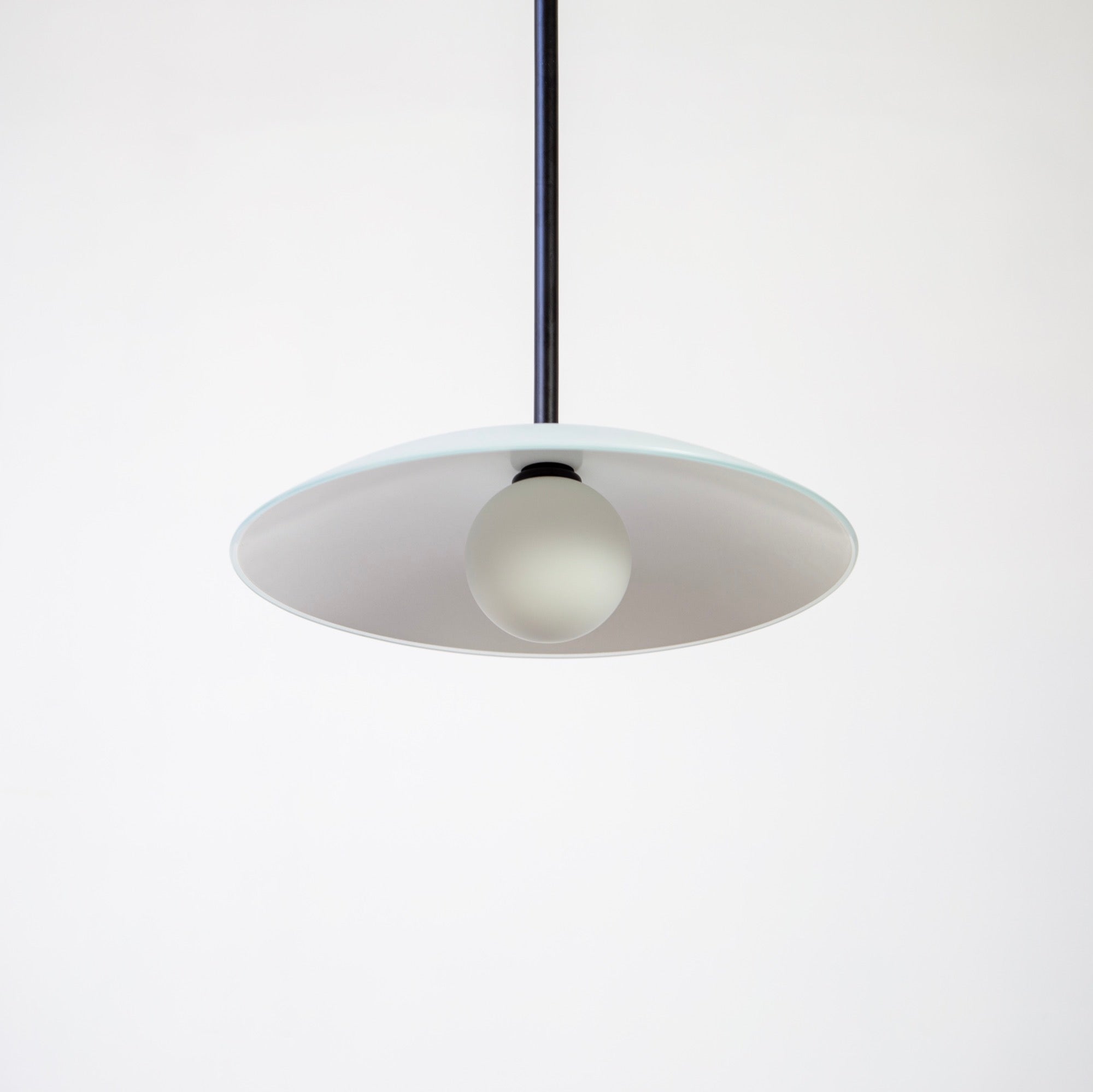
A pendant light is usually a single fixture suspended by a rod, cord, or chain. One light source, one clear job. It drops light right where you need it, over a kitchen island, above a dining table, beside a bed. Focused, direct, uncomplicated.
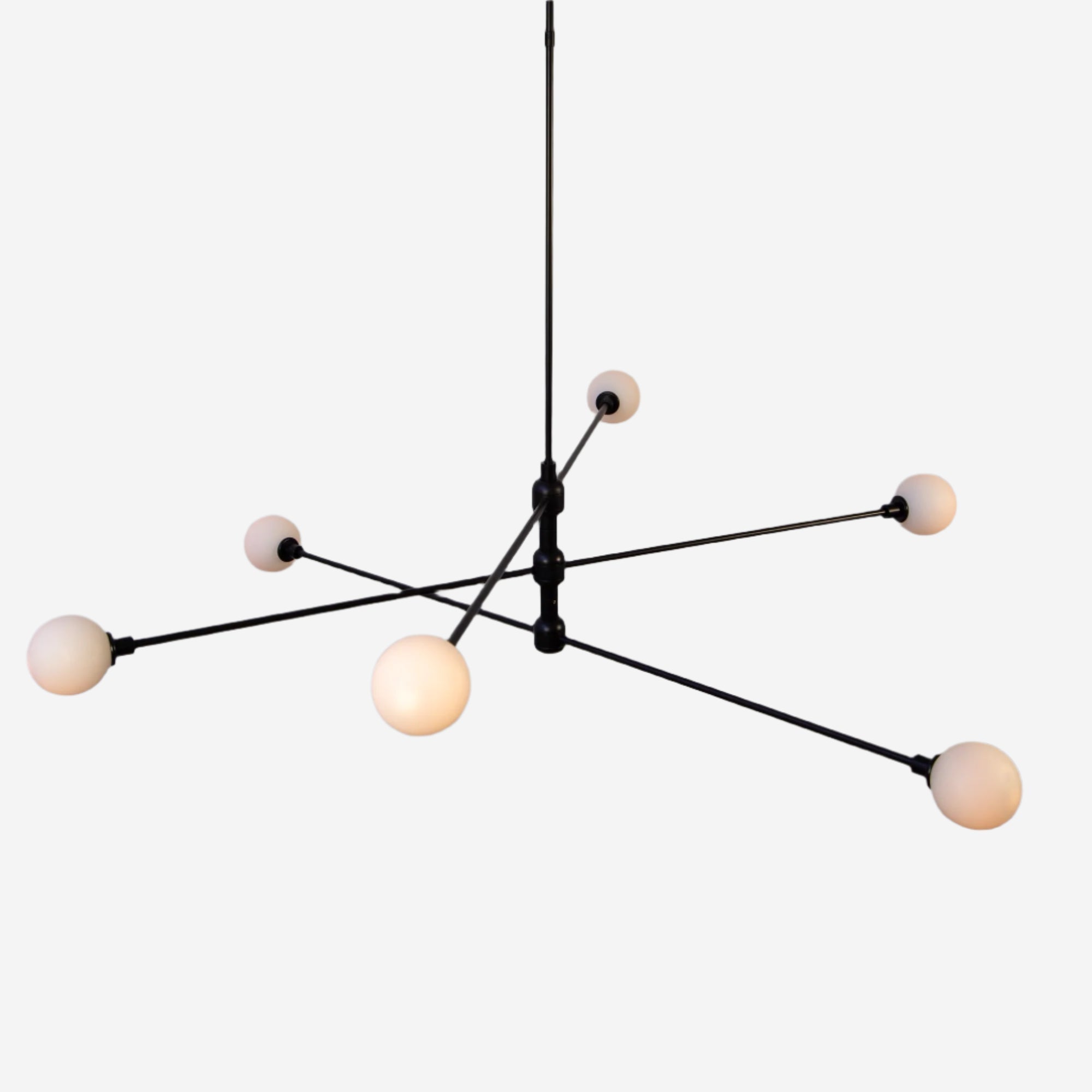
A chandelier spreads out more. Instead of one bulb, it holds several, branching from a central structure. The result is broader light and a bigger visual presence. Chandeliers tend to anchor a room, especially in dining rooms, entryways, or in larger living spaces where a single point of light might feel a little lonely.
There is also a difference in scale. Pendants feel precise and contained. Chandeliers feel expansive, almost architectural. One highlights a spot. The other helps hold the whole room together.
That said, modern lighting blurs the lines a bit. A row of pendants can behave like a chandelier. A minimal chandelier can feel as quiet as a pendant. The goal is the same either way: light that works, and a form that contributes to the rhythm of the room.
Up next: The Ultimate Guide to Modern Lighting, Pendant Lighting FAQs; Sizing, Placement, Style, and Everything Else, or Chandelier FAQs: A Practical Guide to Choosing the Right Fixture.