Brightness, Lumens & Light Levels FAQs
Brightness is one of those qualities everyone notices immediately but few people can clearly define. We talk about lumens, wattage, glare, and light levels, yet the real concern is simple. Does a space feel bright enough to be comfortable and usable? Can you move through it easily and see what you need without strain? This guide takes common questions about brightness and connects them to how lighting output actually behaves in real rooms.
Before starting, it is important to clarify scope. Everything here is general lighting guidance. It does not describe or evaluate the brightness of any specific product from Research.Lighting. For fixture specific output, performance, or recommendations, always consult the product page where technical specifications are listed.
This FAQ is intended as a practical reference. It explains what brightness means, how lumens behave once light enters a space, and how to choose appropriate light levels for different rooms and activities without relying solely on technical jargon.

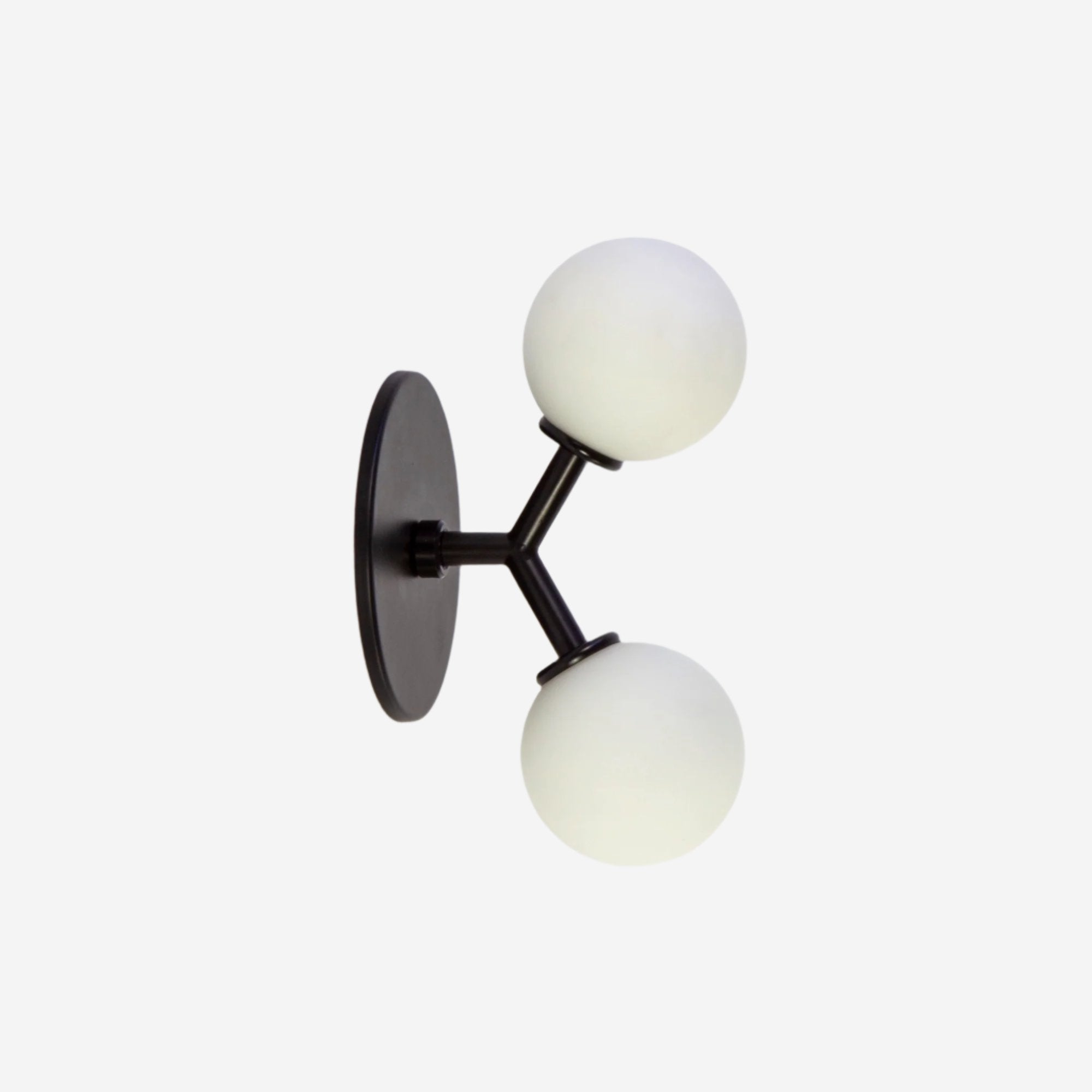
Hive Sconce by Research.Lighting
Table of Contents
- Understanding Brightness and Lumens
- How Brightness Is Perceived in Rooms
- Measuring Light Output and Light Levels
- Beam Angle, Distribution, and Intensity
- Choosing Brightness for Rooms and Tasks
- Comfort, Glare, and Visual Balance

Bunch Pendant Light by Research.Lighting
Understanding Brightness and Lumens
What does brightness actually mean in lighting?
Brightness describes how light is perceived by the human eye within a space. It is influenced not only by how much light a fixture produces, but also by how that light spreads, reflects, and contrasts with surrounding surfaces. A room can contain a powerful light source and still feel dim if the light is poorly distributed or absorbed by dark finishes. Brightness is therefore both measurable and experiential. It depends on output, placement, surface reflectance, and how evenly light reaches the areas people actually use.
What are lumens in simple terms?
Lumens measure the total amount of light emitted by a source. They describe raw output at the fixture before the light interacts with the room. Think of lumens as the potential amount of light available rather than a guarantee of how bright a space will feel. A fixture with high lumens can still feel underwhelming if the light is narrowly focused or poorly positioned. Lumens are best understood as a starting point that must be considered alongside fixture design and room conditions.
For more, see Lumens Explained: How Bright is Bright Enough?
How are lumens different from watts?
Watts measure how much energy a light source consumes, not how much light it produces. In older incandescent lighting, higher wattage generally meant more brightness, which created a strong association between watts and light output. Modern LEDs have broken that link. Today, a low watt fixture can produce far more light than a high watt incandescent. Lumens are now the meaningful metric for brightness, while watts mainly help estimate energy use and operating cost.
If you need further guidance on how lumens compare to watts, see our Lumens to Watts Conversion Chart & Brightness Comparison.
Why is wattage no longer useful for judging brightness?
LED technology varies widely in efficiency, design, and performance. Two fixtures drawing the same amount of power can produce dramatically different lumen outputs. Relying on wattage alone can result in spaces that feel far dimmer or brighter than expected. Wattage still matters for understanding energy consumption and heat, but it no longer provides reliable insight into brightness. Lumens are the only consistent way to compare light output across different fixture types and technologies.
Is a higher lumen number always better?
No. More lumens simply mean more light output, not better lighting. Excessive brightness can create glare, eye fatigue, and harsh contrast, especially in residential spaces meant for comfort. Bedrooms, living room light fixtures, and dining room fixtures often feel better with moderate, well distributed light rather than maximum output. The goal is to match brightness to how a space is used. Good lighting feels intentional and comfortable, not overpowering.
How many lumens does a room typically need?
The number of lumens a room needs depends on several factors including room size, ceiling height, wall color, and intended use. A small bedroom with light colored walls may feel adequately bright with a modest amount of output, while a large open living space with darker finishes may require several times more. There is no single number that works for every room. Lumens should be adjusted based on context rather than applied as a fixed rule.

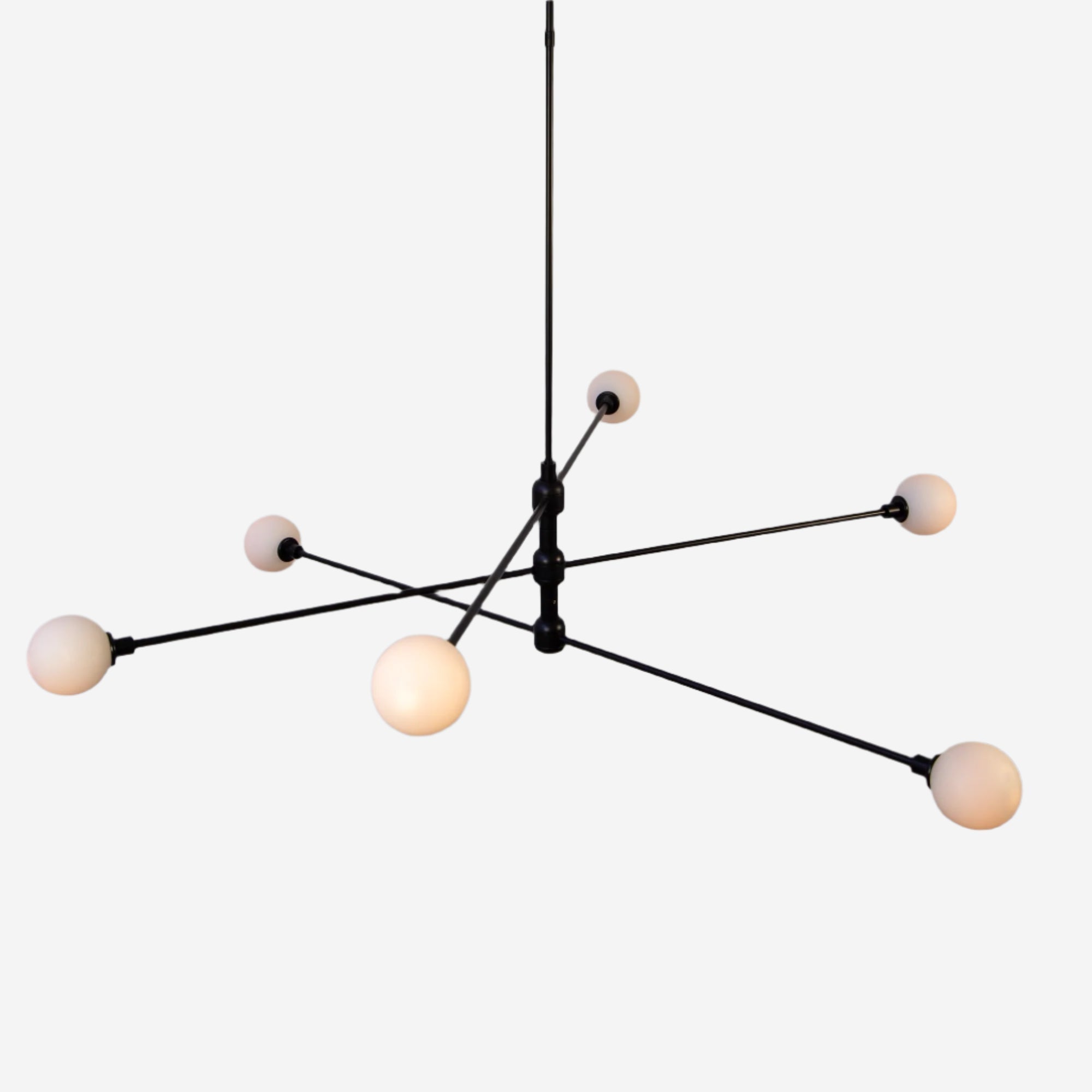
Three Tier Chandelier by Research.Lighting
How Brightness Is Perceived in Rooms
Why can two fixtures with the same lumens feel different?
Fixture design plays a major role in how lumens are perceived. Diffusers, shades, reflectors, and beam spread all influence whether light feels soft or intense. An exposed light source can feel harsh even at moderate output, while a well diffused fixture can feel comfortable at higher levels. Placement and mounting height also matter. Lumens describe quantity, but perception depends on how that quantity is shaped and delivered into the room.
Why can a bright bulb fail to light a whole room?
A bulb may appear bright when viewed directly but still fail to illuminate the surrounding space effectively. This often happens when light is concentrated in a narrow beam or blocked by shades and housings. High ceilings, dark walls, and poor fixture placement can further reduce usable brightness. Light that does not reach walls and ceilings does little to raise ambient levels. Effective room lighting depends on distribution, not just output.
What is the difference between source brightness and room brightness?
Source brightness refers to how intense a light appears at the fixture itself. Room brightness describes the overall illumination after light spreads, reflects, and fills the space. A small, intense source can look bright but contribute little to ambient light. Conversely, a fixture with moderate output that distributes light evenly can make a room feel bright and comfortable. Understanding this difference helps explain why rooms can feel dim even when fixtures appear powerful.
Why do dark rooms require more light?
Dark surfaces absorb light instead of reflecting it. Walls, floors, and ceilings with deeper colors reduce the amount of light that bounces back into the room. As a result, spaces with dark finishes need higher output to achieve the same perceived brightness as lighter rooms. This does not mean dark rooms should be flooded with harsh light. It means lighting must be carefully planned to compensate for lower reflectance.
How does ceiling height affect brightness?
Ceiling height affects how far light must travel before reaching usable surfaces. Higher ceilings increase distance and spread, which reduces illumination at the floor and work surfaces. Fixtures that work well in standard height rooms may feel insufficient in taller spaces. Higher ceilings often require additional fixtures, higher output, or layered lighting to maintain comfortable brightness throughout the room.
Why does lighting feel brighter at night than during the day?
During the day, daylight raises overall ambient light levels, making electric lighting feel softer by comparison. At night, when daylight disappears, the same fixtures can feel much brighter because they become the primary source of illumination. This shift is normal and explains why lighting that feels balanced during the day may feel intense after dark. Dimming or layered lighting can help maintain comfort across different times of day.

Deep Pendant Light by Research.Lighting
Measuring Light Output and Light Levels
What is a light level?
A light level measures how much illumination reaches a surface such as a floor, countertop, or desk. It reflects usable brightness rather than total output from a fixture. Light levels are what determine whether tasks can be performed comfortably and safely. Two rooms with the same total lumens can have very different light levels depending on distribution, reflectance, and placement.
What is the difference between lumens, lux, and footcandles?
Lumens measure total light output from a source. Lux and footcandles measure how much of that light actually reaches a given area. Lux is measured per square meter, while footcandles are measured per square foot. These units help describe real world performance. Lumens tell you what the fixture produces. Lux and footcandles tell you how that light is experienced on surfaces.
Which measurement is most useful for homeowners?
Lumens are usually the most practical starting point for homeowners when comparing bulbs and fixtures. Light level measurements become more useful when assessing whether a room is bright enough for its intended purpose. Most people do not need to calculate lux or footcandles precisely. Comfort, visibility, and ease of use remain the most important indicators.
How many footcandles are typical for residential spaces?
General living areas often fall in the range of 10 to 20 footcandles. Reading, cooking, and detailed tasks typically require higher levels. Hallway light fixtures and circulation areas can function comfortably at lower levels. These numbers are guidelines rather than strict rules. Personal preference, age, and surface finishes all influence how much light feels appropriate.
Do I need a light meter to evaluate brightness?
Most homeowners do not need a light meter. If you can read comfortably, move safely, and complete tasks without strain, your lighting is likely adequate. Light meters are useful for professional design and for lighting commercial spaces, but residential lighting is better judged by how the space feels and functions. Small adjustments in fixture placement or layering often solve brightness issues more effectively than precise measurement.
Are phone apps accurate for measuring light?
Phone apps can provide rough comparisons between areas, but they are not highly accurate. Camera sensors vary widely and are not calibrated for precise light measurement. These apps are best used to identify major differences, such as whether one area is significantly dimmer than another. They should not be relied on for exact readings or technical decisions.

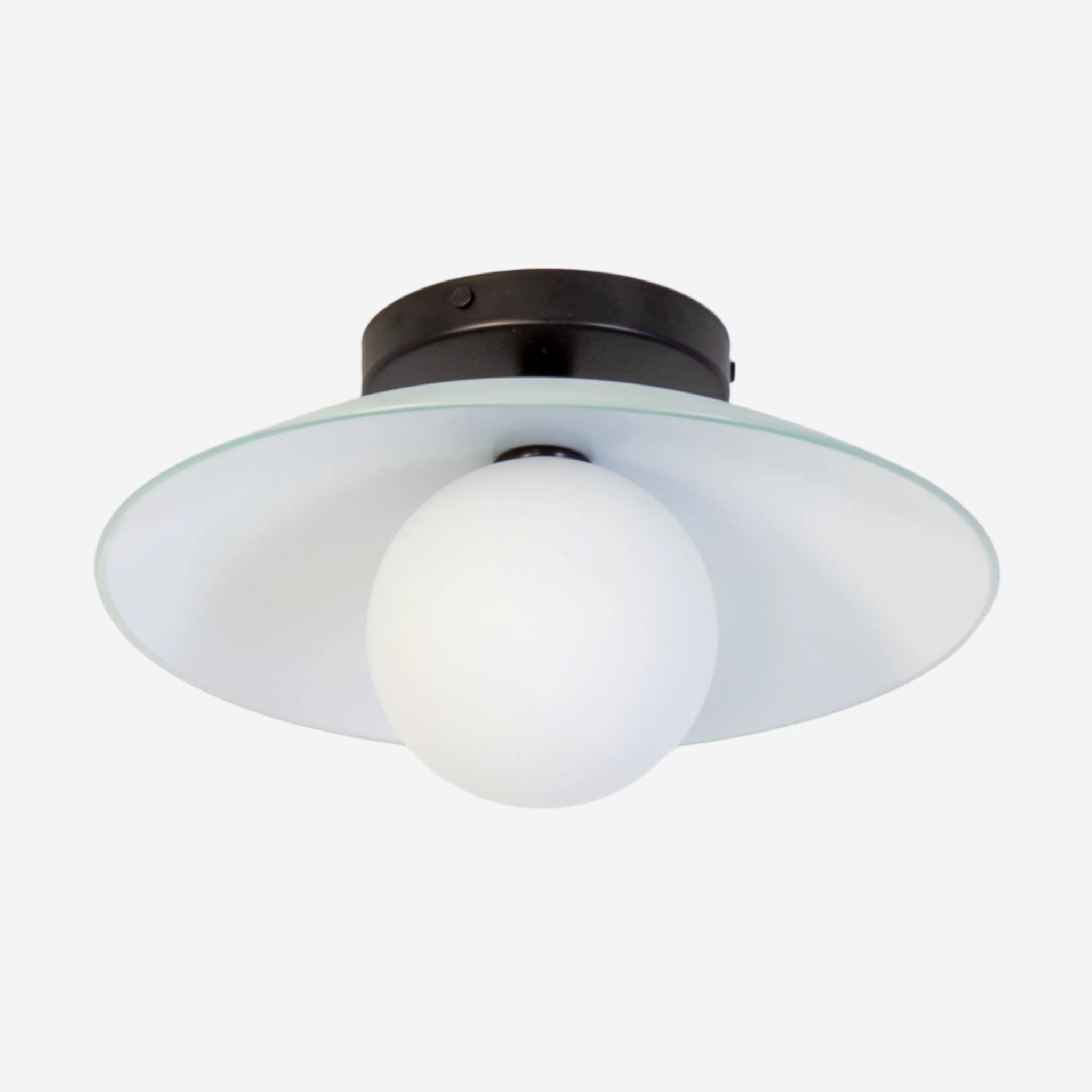
Y Flush Mount by Research.Lighting
Beam Angle, Distribution, and Intensity
What is beam angle?
Beam angle describes how widely light spreads from a source. A narrow beam concentrates light into a focused area, while a wide beam spreads light more evenly across a surface or room. Beam angle has a major impact on how brightness is experienced. Two fixtures with the same output can feel completely different depending on how broadly the light is distributed.
How does beam angle affect perceived brightness?
Narrow beams create higher intensity in a small area, which can feel very bright on surfaces they hit. Wide beams distribute the same amount of light across a larger area, resulting in softer, more even illumination. Choosing the right beam angle depends on whether the goal is emphasis, task lighting, or general ambient brightness.
What is luminous intensity?
Luminous intensity, measured in candela, describes how strong the light is in a specific direction. Unlike lumens, which measure total output, intensity focuses on directional brightness. This explains why spotlights can feel extremely bright even with modest total output. Intensity is particularly important for accent lighting and directional fixtures.
What does center beam candlepower describe?
Center beam candlepower measures the peak intensity at the center of a directional beam. It helps predict how bright a spotlight will appear on a surface. This metric matters when highlighting artwork, architectural features, or specific areas. For general lighting, overall distribution and total output are usually more important than peak intensity.
Why do spotlights feel brighter than floodlights?
Spotlights concentrate light into a smaller area, increasing intensity and contrast. Floodlights spread light across a wider area, which reduces intensity but improves coverage. Even when total lumens are similar, the focused nature of spotlights makes them feel brighter where they hit. This difference is useful when choosing between accent and ambient lighting.
How does mounting height affect brightness?
As mounting height increases, light spreads over a larger area and becomes less intense at the surface. Fixtures mounted higher above the floor or work surface need greater output to achieve the same illumination. Height also affects glare and comfort. Proper mounting height helps balance brightness, coverage, and visual comfort.

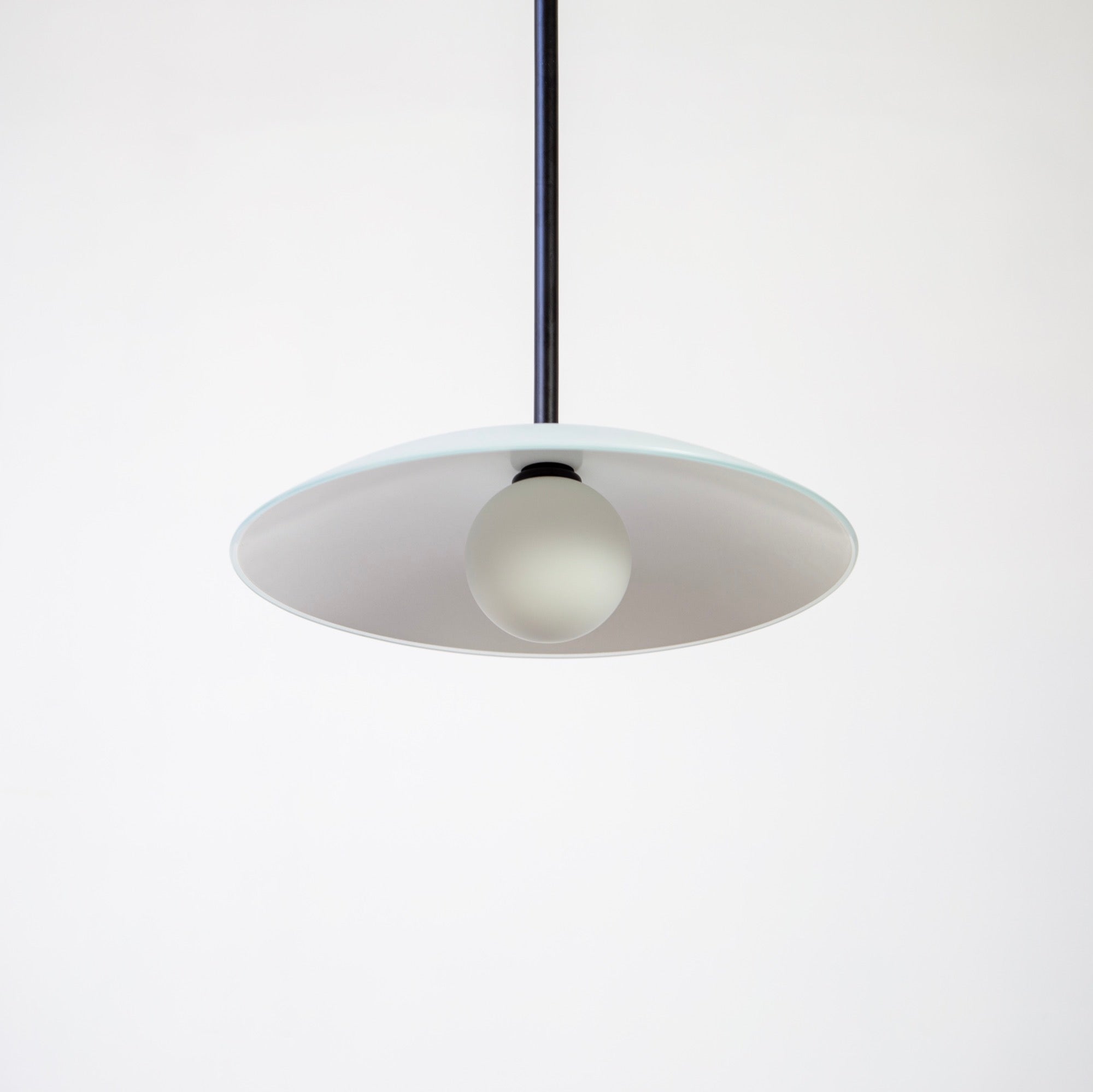
Dish Pendant Light by Research.Lighting
Choosing Brightness for Rooms and Tasks
How bright should ambient lighting be?
Ambient lighting should create an even, comfortable baseline without drawing attention to itself. It supports movement and orientation rather than specific tasks. If ambient light is too dim, the room feels gloomy. If it is too bright, it can feel flat or uncomfortable. The right level allows task and accent lighting to work effectively without harsh contrast.
How bright should task lighting be?
Task lighting should provide clear visibility for specific activities such as reading, cooking, or working. It should be noticeably brighter than ambient light but not so intense that it causes glare. Good task lighting is directional and controlled, delivering light where it is needed without overwhelming the surrounding space.
How much light is needed for reading or desk work?
Reading and desk work benefit from focused lighting that delivers higher illumination directly to the page or work surface. This reduces eye strain and improves contrast. The surrounding ambient light should still be present to avoid sharp transitions. A balanced combination of task and ambient light creates the most comfortable conditions.
How bright should kitchen and work surfaces be?
Kitchen counters and work surfaces require higher light levels to reduce shadows and improve visibility during detailed tasks. Under cabinet lighting or directional fixtures often provide better results than relying solely on overhead ambient light. Even, shadow free illumination improves safety and makes tasks more comfortable for kitchen lighting setups.
Can one brightness level work for both relaxation and work?
Rarely. Relaxation and focused work have very different lighting needs. Expecting a single brightness level to serve both usually leads to compromise. Layered lighting allows different sources to support different activities. This flexibility makes a space more comfortable throughout the day without relying on excessive brightness.
Why do older eyes need more light?
As people age, the eye’s lens transmits less light and contrast sensitivity decreases. Tasks that were once easy in low light become more challenging. Increasing illumination and reducing glare can significantly improve comfort. Balanced lighting with good distribution often helps more than simply adding brighter bulbs.

Loop Sconce by Research.Lighting
Comfort, Glare, and Visual Balance
Why can bright light feel uncomfortable?
Discomfort usually comes from glare rather than brightness alone. Exposed light sources, sharp contrast, and reflections can strain the eyes. Light that is poorly shielded or concentrated in the line of sight often feels harsh even at moderate output. Comfortable lighting manages brightness carefully rather than eliminating it.
What causes glare in residential lighting?
Glare occurs when a light source is visible and significantly brighter than its surroundings. Reflections on glossy surfaces can also contribute. Poor placement and lack of shielding are common causes. Reducing glare often involves adjusting fixture position, adding diffusion, or redistributing light more evenly across the space.
How does diffusion affect brightness comfort?
Diffusion softens light by spreading it across a larger area. This reduces harsh hotspots while maintaining usable illumination. Diffused lighting often feels calmer and more comfortable, especially in living spaces. It allows higher output to be used without creating glare, making it an important tool for balanced lighting design.
Why can two fixtures with the same lumens feel soft or harsh?
Shielding, diffusion, and distribution determine how light interacts with the eye. A fixture that hides the light source and spreads output evenly feels softer than one that exposes the source directly. Even with identical lumen ratings, these design differences dramatically affect comfort and perception.
How can brightness be increased without making a room feel harsh?
Adding layers of light is often more effective than increasing output from a single source. Improving surface reflectance, using diffusion, and distributing light across walls and ceilings all raise perceived brightness while maintaining comfort. Balanced lighting feels brighter without becoming visually aggressive.

Y Pendant Light Mini by Research.Lighting
Brightness is not simply a measurement. It is the result of how light interacts with space, materials, and the way a room is used. Lumens, beam spread, surface reflectance, and glare all shape how bright a space feels in practice. When these elements are balanced, lighting becomes comfortable and functional without calling attention to itself.
By thinking in terms of layers and distribution rather than chasing higher output, it becomes easier to create rooms that work well throughout the day. The goal is not maximum brightness, but clarity, comfort, and light that supports how a space is actually lived in.
Related Reading: The Ultimate Guide to Modern Lighting