What Are the Disadvantages of Pendant Lights?
Pendant lights are great at one thing: focused light. But that strength can also be the limitation.
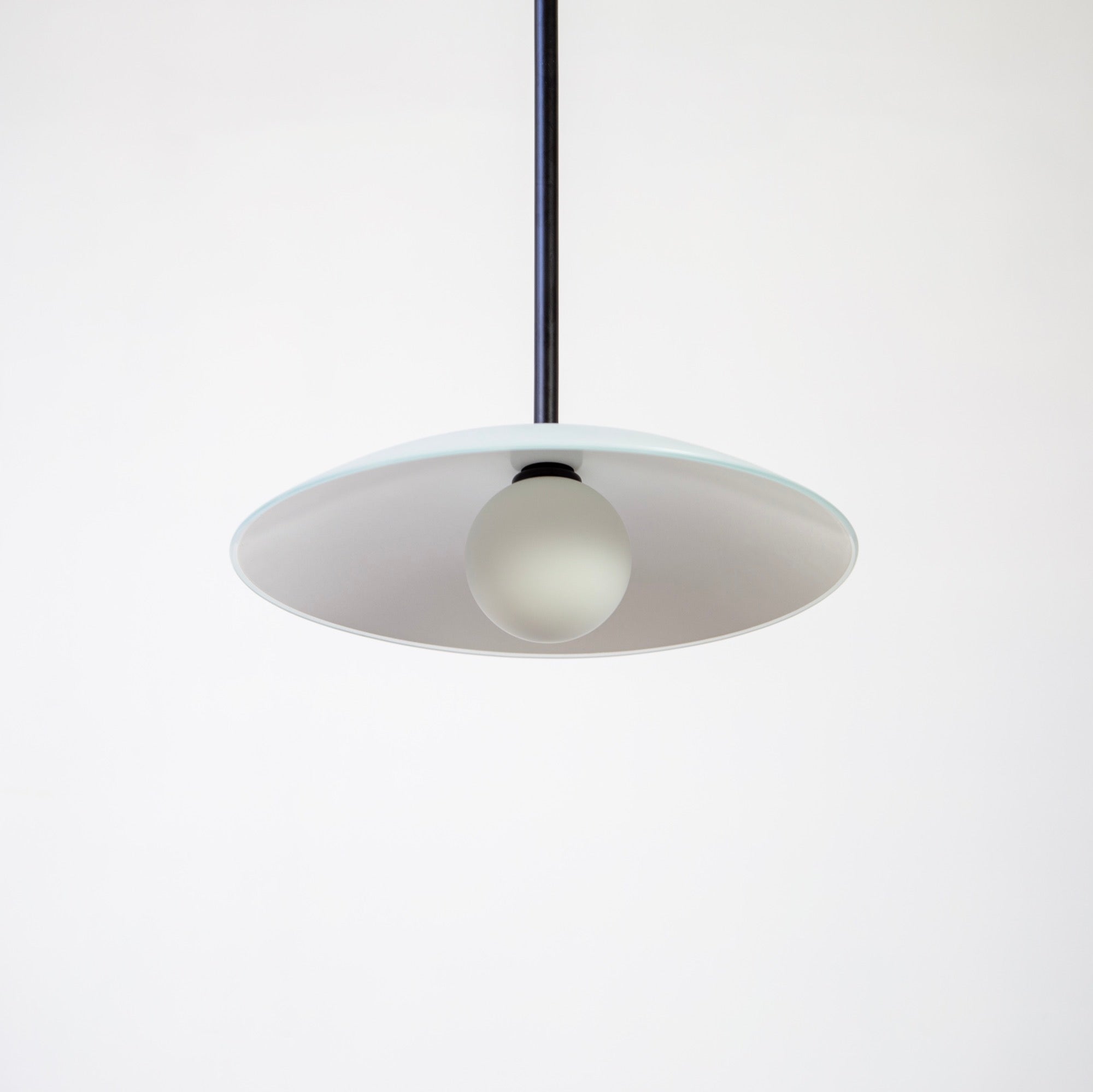
Most pendants use a single bulb and aim light downward, which means they do not always illuminate a full room on their own. For a pendant light in the dining room, or for a few kitchen pendants, that is perfect. In the center of a large living room, it might feel a little sparse. Pendants usually work best as part of a layered setup with other fixtures.
Height is another thing to get right. Because pendants hang down, placement matters. Too low and they interrupt sightlines or become something people bump into. Too high and the light spreads out too much, losing that nice focused pool.
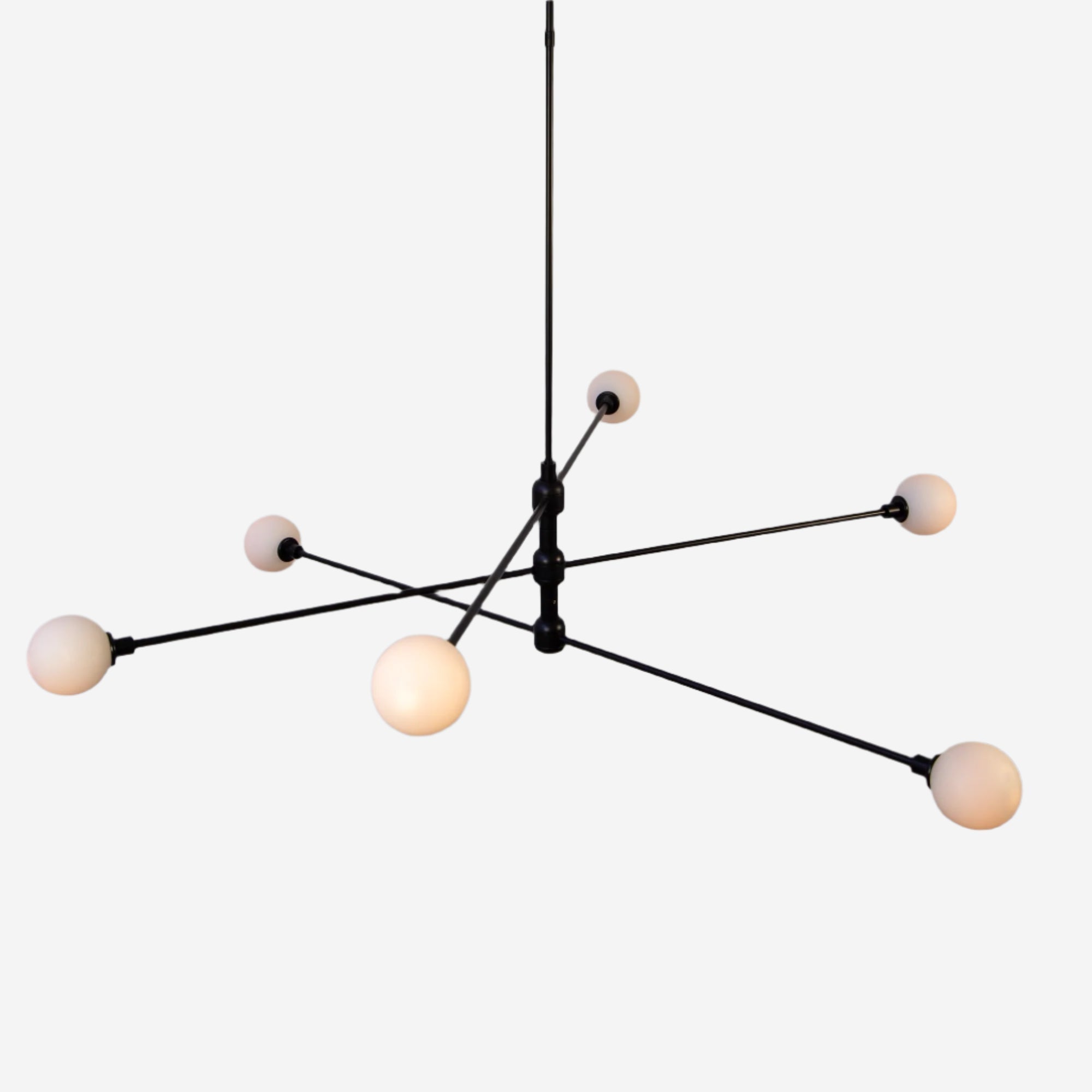
There is also the visual side of things. A few well-placed pendants can create rhythm and balance across a room. Too many, or fixtures that are too large, can make the ceiling feel crowded. (For more on sizing, see Do Pendant Lights Make a Room Look Smaller?)
None of this is really a flaw, just a reminder that pendants are specific tools. Put them in the right place and they feel natural. Put them everywhere and things get busy fast.
Have other questions about lighting? Check out The Ultimate Guide to Modern Lighting or Pendant Lighting FAQs; Sizing, Placement, Style, and Everything Else.