How Bright is 1700 Lumens? 1700 Lumens to Watts
Brightness can be tricky to pin down, especially if you still think in watts. Watts only tell you how much power a light uses, which is why they were never the best tool for judging how a room will actually feel once everything turns on. With LED fixtures now at the center of most homes, lumens have become the clearer way to understand real output. At 1700 lumens, you are working with a strong level of brightness that feels confident without turning harsh. If you want to picture what that looks like or how it relates to watts, this guide breaks it down in a straightforward way.

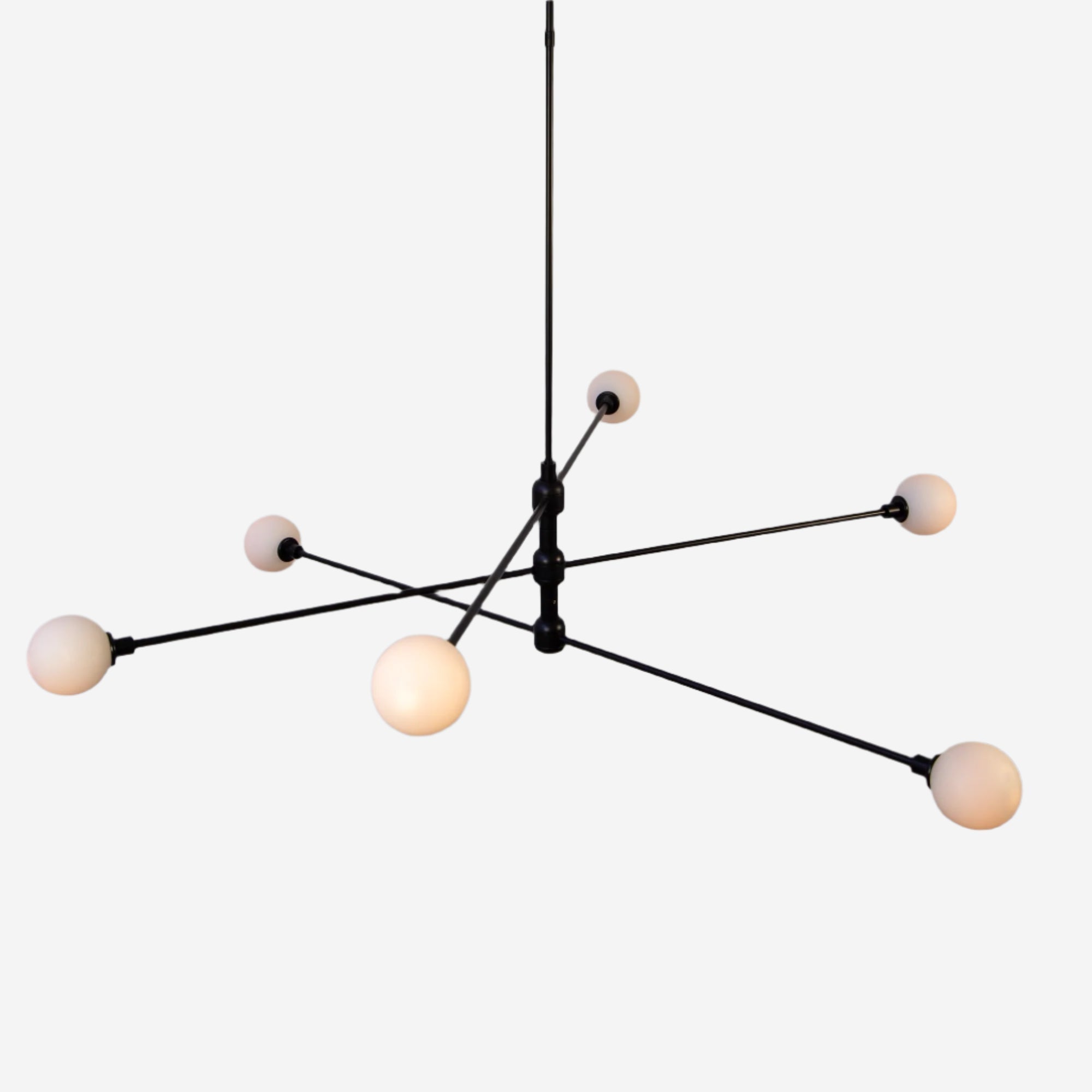
Tier Chandelier from Research.Lighting
What Are Lumens? 1700 Lumens vs Watts
Lumens measure the visible light coming from a fixture. More lumens mean more brightness. Watts measure energy use and nothing else. They only became a brightness shortcut because incandescent bulbs behaved so predictably from one wattage to the next. LED fixtures vary widely, so wattage no longer tells you how bright something will be.
As a loose benchmark, 1700 lumens is similar to the output of a 120 to 130 watt incandescent bulb. LED fixtures can reach this level while using far less electricity, which is why manufacturers list lumens up front on pendants, ceiling lights, and integrated LED designs.
If you want a stronger foundation before reading further, our guide Lumens Explained: How Bright is Bright Enough? walks through the basics. Anyone who needs a quick reminder of lighting terminology can also check our Glossary of Lighting Terminology.
How Bright Is 1700 Lumens? 1700 - 1750 Lumens in Context
Seventeen hundred lumens feels bright in a clean, capable way. It suits rooms where you rely on steady illumination. Kitchen light fixtures often sit comfortably at this level. The same goes for home office light fixtures, laundry rooms, and living areas with higher ceilings. A fixture at 1700 lumens gives you clarity without drifting into a glare.
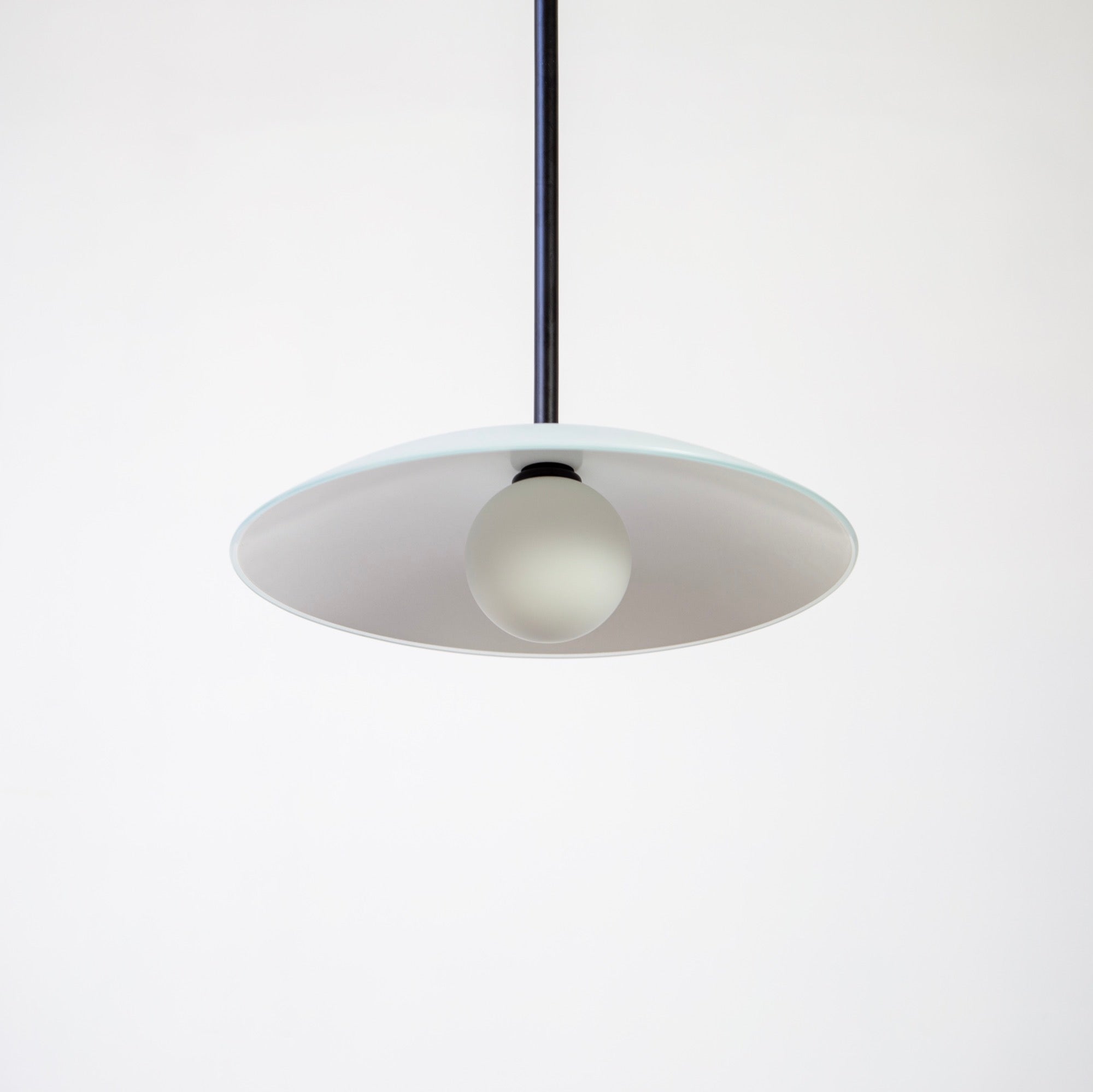
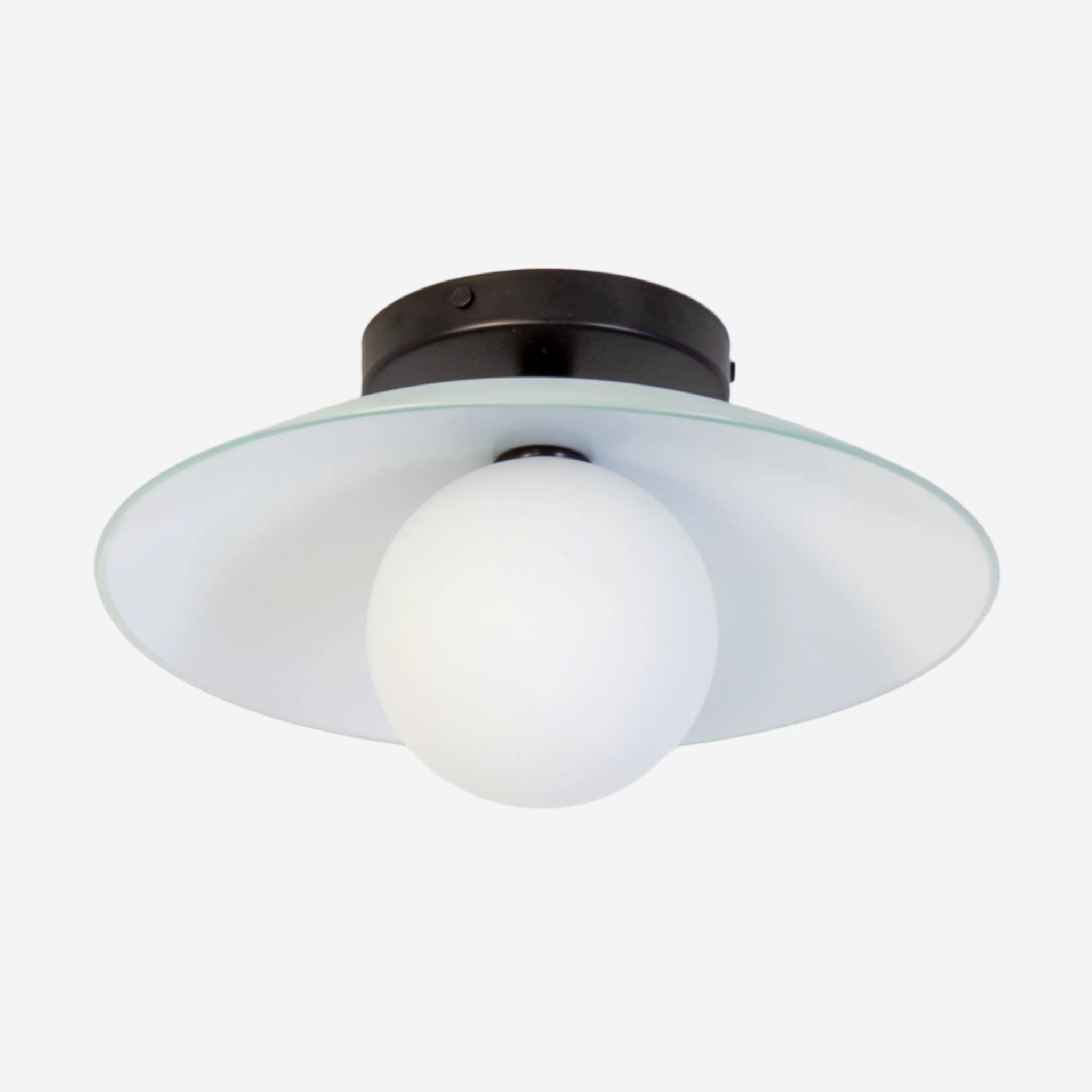
The light will still behave differently depending on the fixture. A frosted diffuser softens the output. Clear glass or exposed elements make it feel more direct. Room finishes also shift the effect. Dark walls absorb light, while lighter surfaces bounce it back and make the fixture seem brighter. Ceiling height and placement add to the final impression.
If you want to compare this level to others, our Lumens to Watts Conversion Chart and Brightness Comparison lays everything out in simple terms.

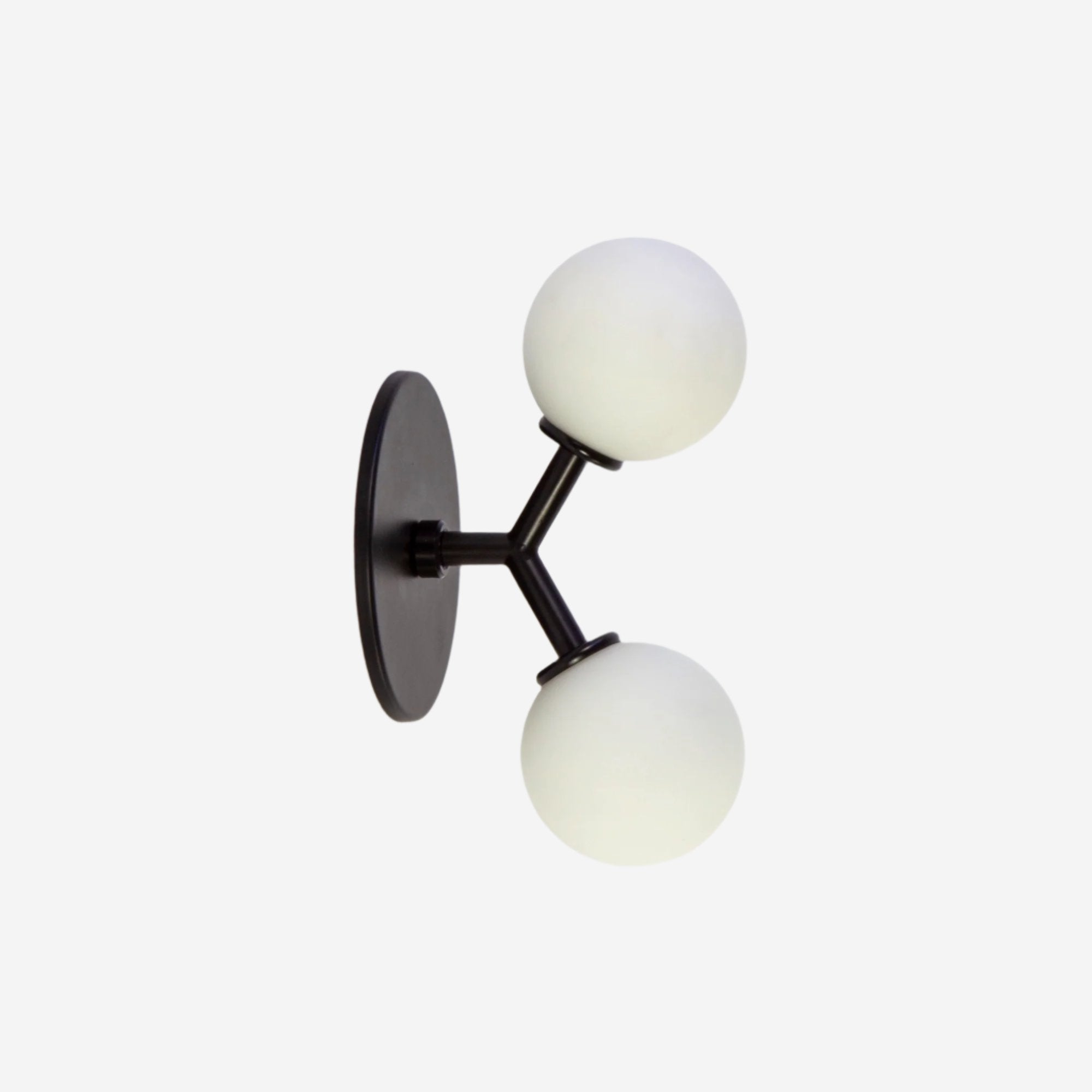
Hive Flush Mount from Research.Lighting
Is 1700 Lumens Bright Enough
Often, yes. This level works well in many medium and large rooms where general lighting matters. It can stand on its own as a primary light source in spaces that need clear visibility.
There are still moments when 1700 lumens might be more than you want. Bedside lamps and small dining room light fixtures usually feel better with a softer glow. Decorative sconces, too, tend to work best at lower levels. On the other side of the spectrum, very large rooms may call for multiple fixtures, even if each one produces 1700 lumens, in order to spread the light evenly.
Closing / TLDR
Seventeen hundred lumens sits in a dependable zone. It is bright enough for active rooms, steady enough for daily use, and adaptable to many LED light fixture designs. Once you begin choosing lighting by lumens instead of watts, it becomes much easier to match a fixture to the way a room is actually used.
Compare other levels of brightness at How Bright is 850 Lumens? 850 Lumens to Watts, How Bright is 2200 Lumens? 2200 Lumens to Watts, or How Bright is 1000 Lumens? 1000 Lumens to Watts.