How Bright is 3000 Lumens? 3000 Lumens to Watts
Brightness can be surprisingly tricky to judge, especially if you still rely on watts as your reference point. Watts only tell you how much power a light uses. They do not reflect how bright a room will actually feel once the light is on. With LED fixtures now leading the way, lumens have become the clearer measure of real output. At 3000 lumens, you are working with a very strong level of brightness that easily fills larger rooms and helps anchor spaces where clear visibility matters. If you are trying to imagine how this amount of light feels, this guide gives you a straightforward sense of it.

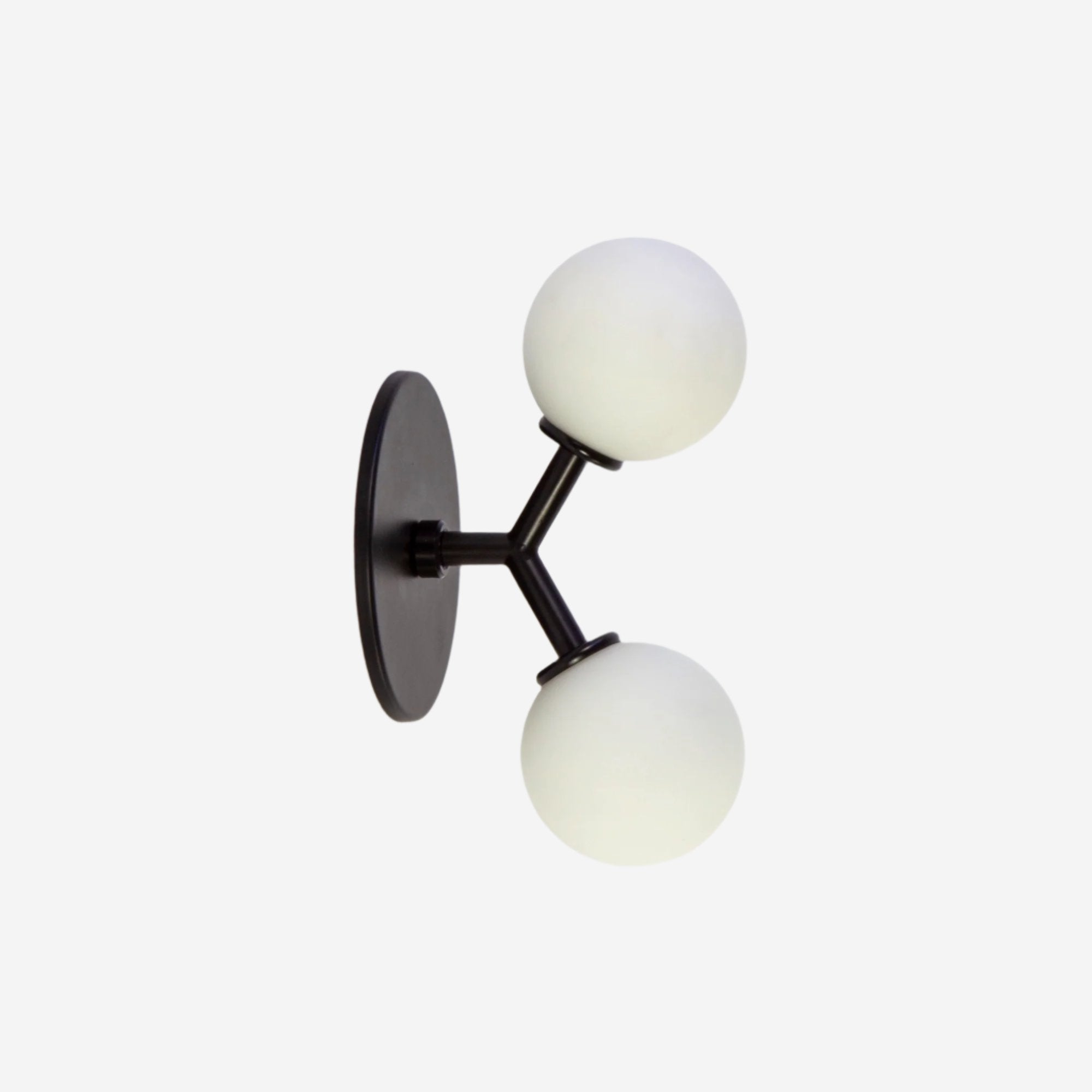
Hive Sconce from Research.Lighting
What Are Lumens? 3000 Lumens vs Watts
Lumens measure the visible light that a fixture produces. The higher the lumen count, the brighter the output. Watts simply measure energy use. They only became a stand in for brightness in the incandescent era because those bulbs behaved predictably at certain wattages. LED fixtures vary widely, so wattage no longer helps you understand the light you will actually get.
For an easy comparison, 3000 lumens is roughly equal to what you might expect from a 200 to 250 watt incandescent bulb. Modern light fixtures reach that brightness using far less electricity, which is why manufacturers now highlight lumens on pendants, ceiling fixtures, sconces, and integrated LED designs.
If you want a little more context, our guide Lumens Explained: How Bright is Bright Enough? walks through the basics. Our Glossary of Lighting Terminology is a good place to look if you want simple definitions for common lighting terms.
How Bright Is 3000 Lumens
Three thousand lumens feels bright in a strong, confident way. It is the kind of output that fills a room without much effort. Kitchen lighting often benefits from this level of clarity, especially over work zones or islands. Open plan living areas, tall ceilings, and multipurpose rooms also sit comfortably at this brightness. Even garages and workshops feel more functional with 3000 lumens supporting the space.
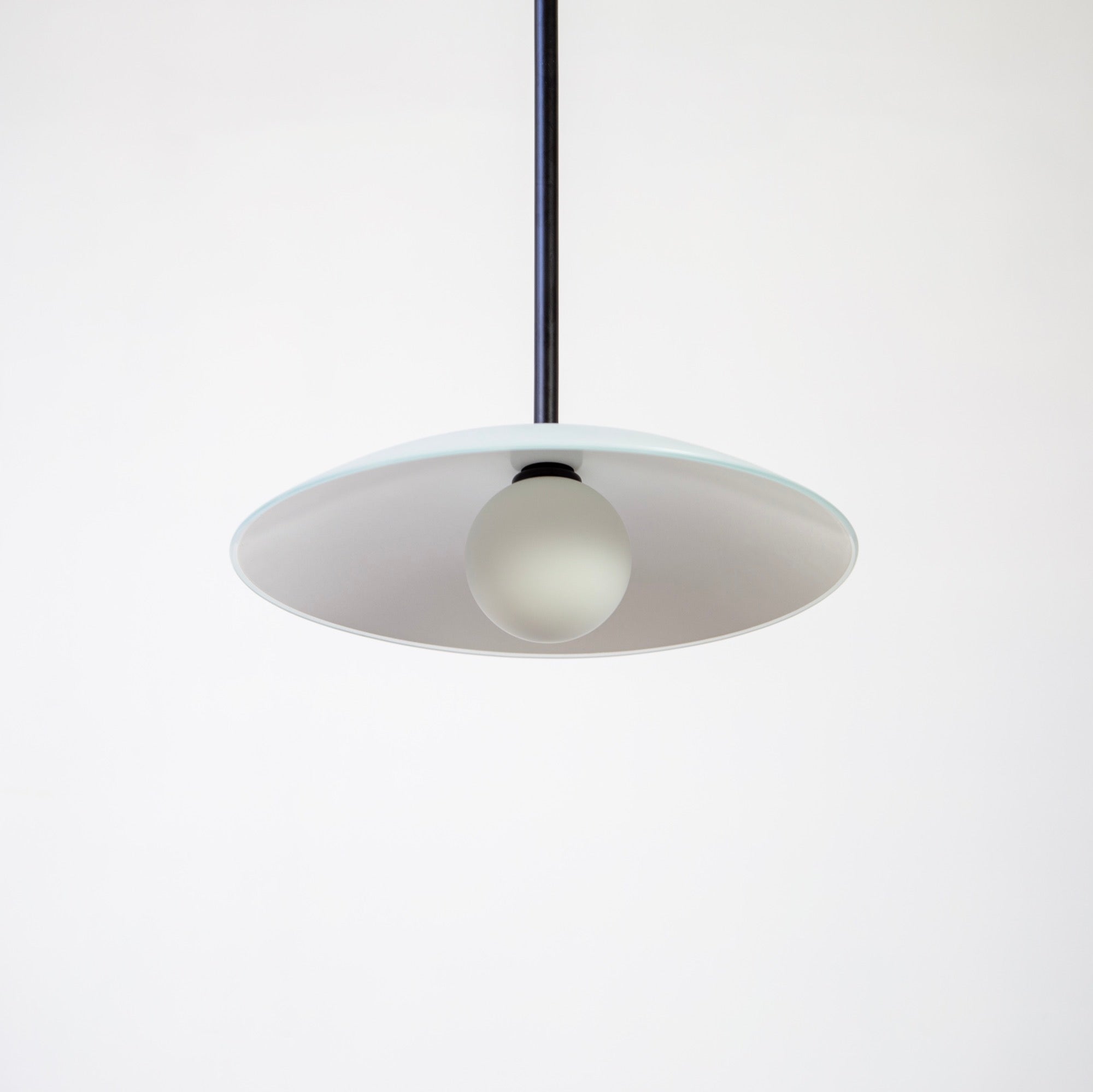
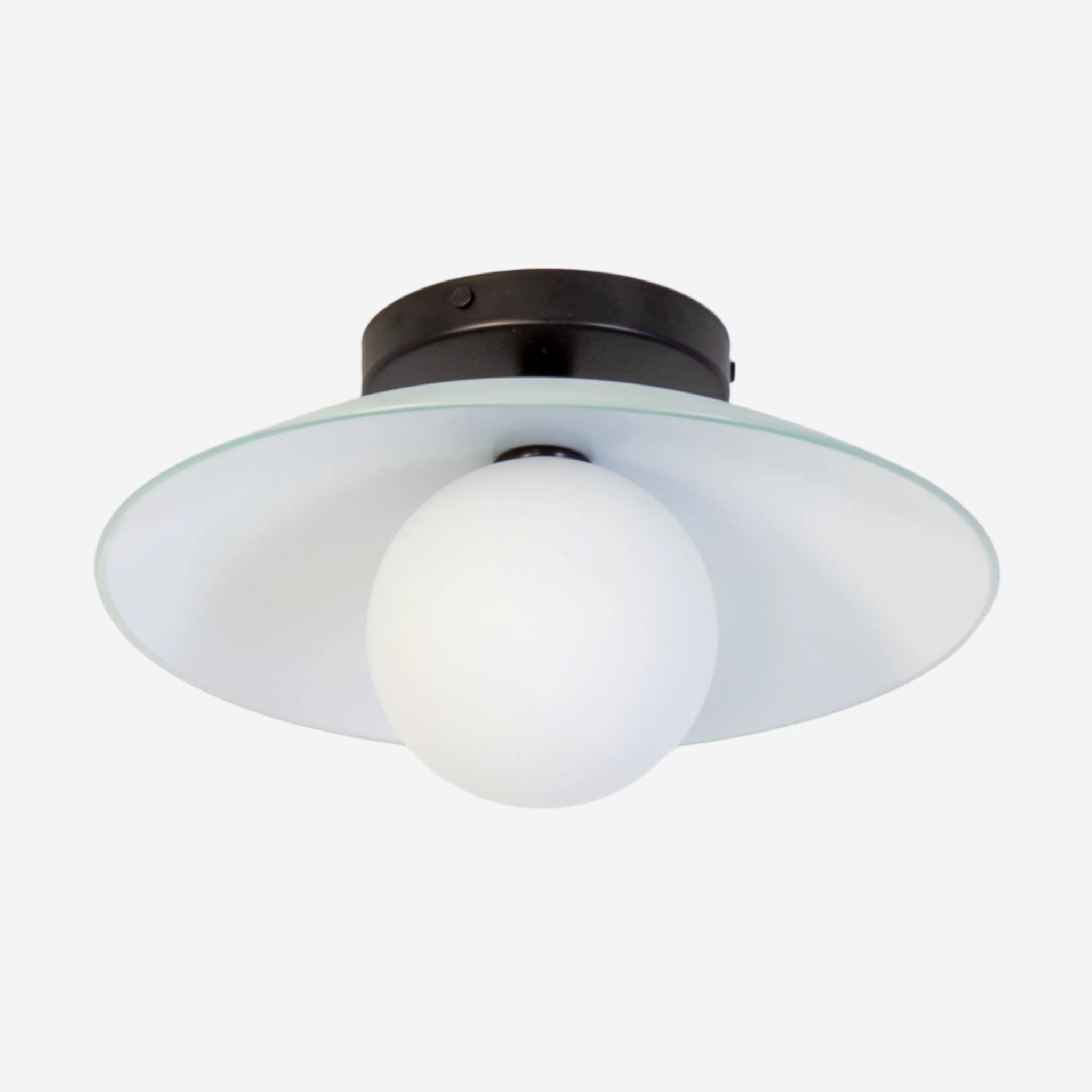
As with any fixture, the design shapes the final feel. A frosted glass light fixture softens the light and spreads it across the room. Clear glass or exposed optical elements create a more direct and focused effect. Wall color, ceiling height, and room size all influence how 3000 lumens actually lands. Dark surfaces absorb light. Light finishes return it back into the room.
If you want to see how 3000 lumens compares with other output levels, our Lumens to Watts Conversion Chart and Brightness Comparison offers a simple overview.

Shapes Pendant Light Large from Research.Lighting
Is 3000 Lumens Bright Enough
For many spaces, absolutely. Large rooms and open layouts often feel balanced and usable with 3000 lumens as the main light source. It brings enough clarity to support daily activity without needing much help.
There are spaces where it might feel too intense. Small bedrooms, bedside areas, and dining room light fixtures that lean toward a softer evening mood usually benefit from lower lumen counts. On the other end, very large or complex floor plans may still need a few fixtures to distribute light evenly, even if each one produces 3000 lumens.
Closing / TLDR
Three thousand lumens offers strong, steady brightness that suits large rooms and active spaces well. It can stand on its own or work as part of a layered lighting plan. Once you start choosing fixtures based on lumens instead of watts, it becomes much easier to select the right level of light for how you actually use each room.
Related reading: How Bright is 1000 Lumens? 1000 Lumens to Watts.