How Bright is 150 Lumens? 150 Lumens to Watts
Brightness can feel abstract when you’re sorting through modern LED fixtures. Watts used to be the shortcut for understanding how bright something was, but LEDs changed the language. Lumens tell the real story now. And if you’re wondering how bright 150 lumens actually feels, you’re in good company. It’s a small number, but in the right places, it does exactly what it needs to do.

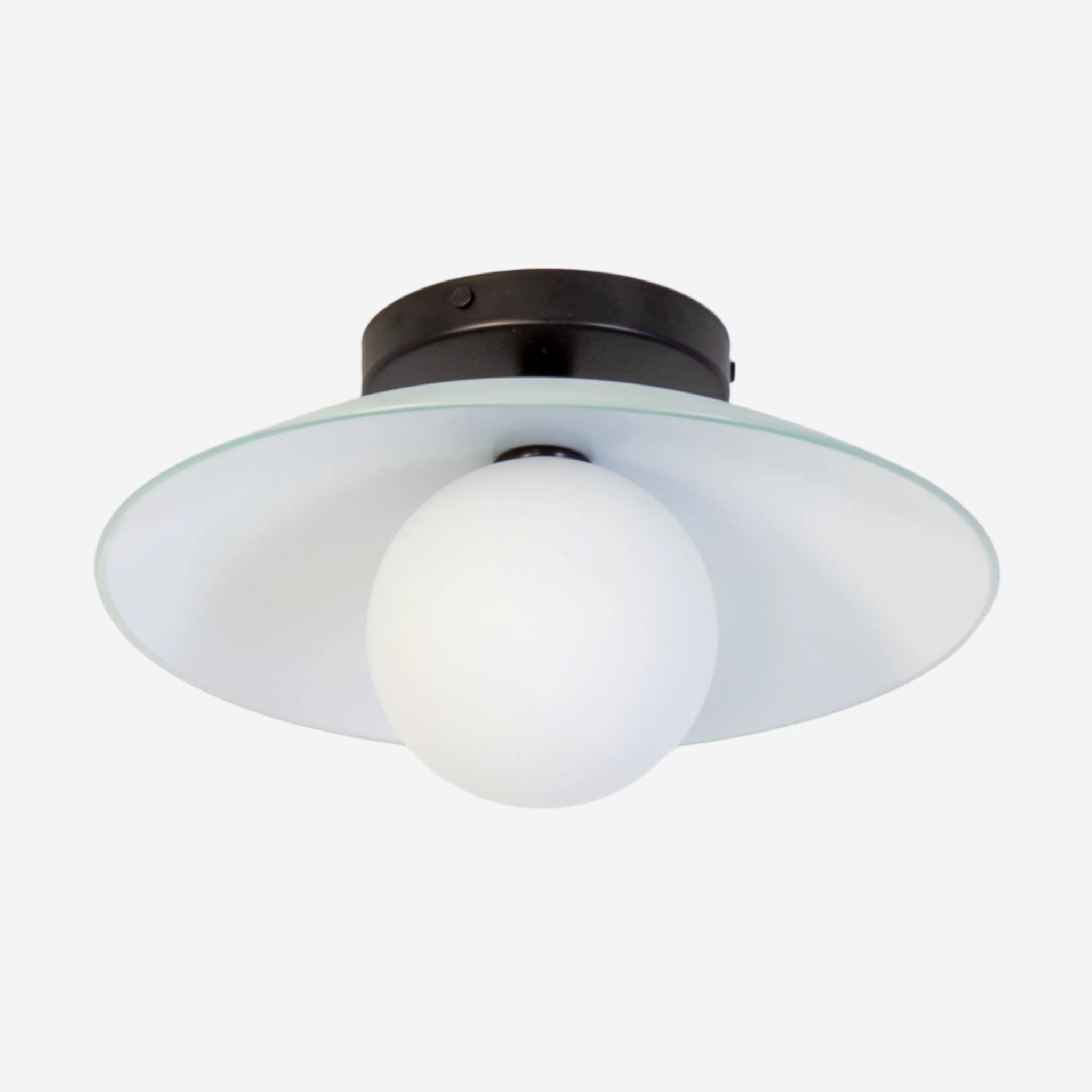
Hive Flush Mount from Research.Lighting
What are Lumens? 150 Lumens vs Watts
Lumens measure the amount of light you see. Watts measure how much power a fixture uses. Incandescent bulbs tied the two together, but LED lighting broke that link. A fixture that produces 150 lumens today might draw only a fraction of the wattage an older bulb needed. In everyday terms, 150 lumens sits in the gentle-glow category, more like a soft guide light than a primary source.
If you want a deeper breakdown of how lumens relate to brightness in general, our guide on Lumens Explained: How Bright is Bright Enough? lays things out clearly. And if you prefer a numbers-forward view, the Lumens to Watts Conversion Chart & Brightness Comparison gives a simple reference point for conversions.
How Bright is 150 Lumens
One hundred fifty lumens feels subtle. It’s the kind of brightness that helps you orient yourself without demanding attention. Under cabinet lighting in a kitchen, small hallway light, bedroom closet fixtures, shelf lighting, or the softer setting on a dimmable LED pendant light all live comfortably in this range. The light won’t fill a room, but it gently shapes the edges of one.
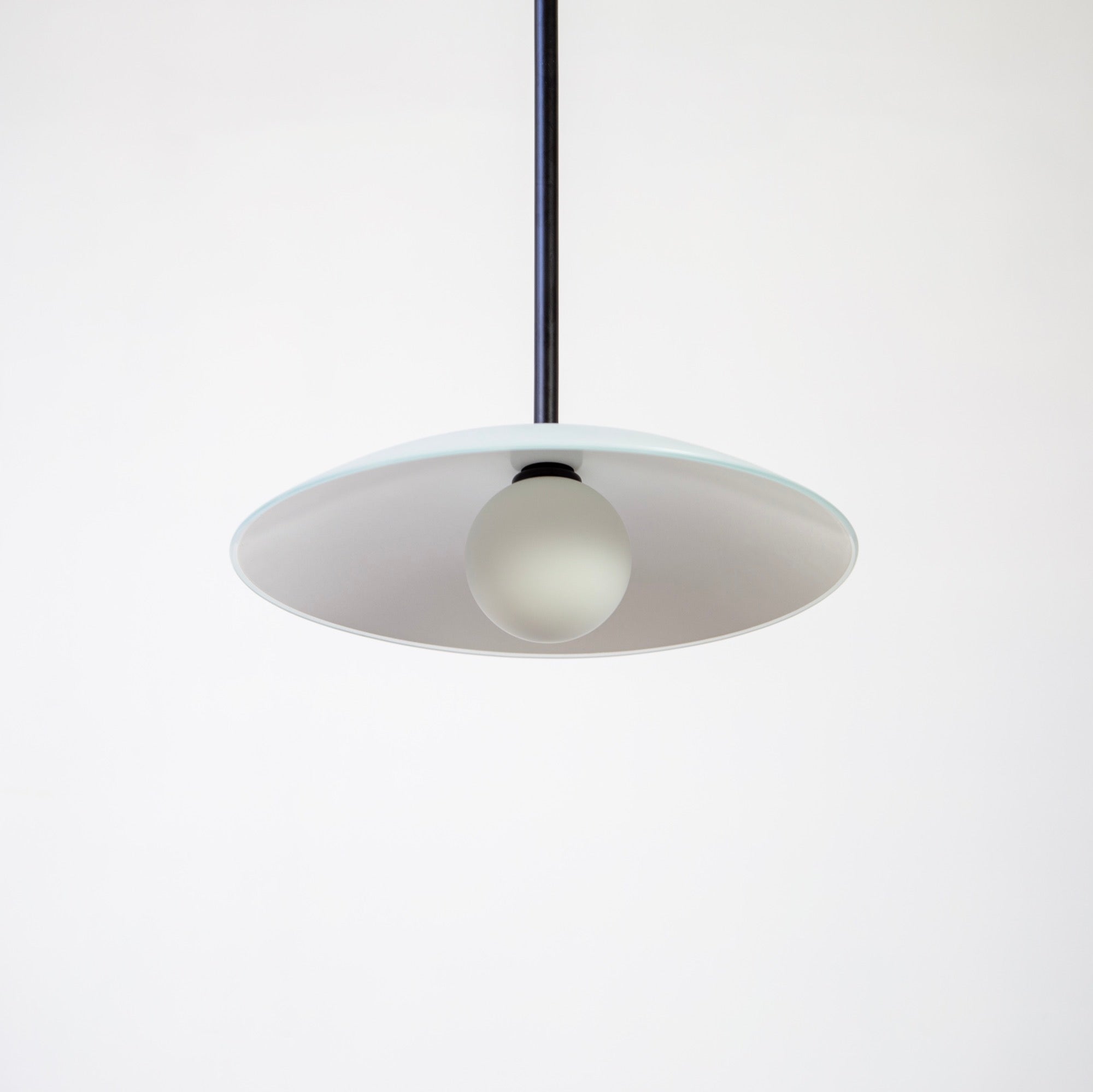
Paired with a warm color temperature or a frosted glass light fixture, 150 lumens becomes an easy, ambient layer. And if you’re comparing different output levels, noticing how a space changes at something like 300 lumens can help you understand the jump in brightness.
Is 150 Lumens Bright Enough?
It can be, depending on what you expect from it. For accent work, mood lighting, or subtle direction, 150 lumens is absolutely enough. Bedrooms, hallways, and built ins often benefit from this calm level of light. It keeps things visible without washing the room in brightness.
Where 150 lumens starts to fall short is task lighting. kitchen chandeliers, work desks, vanity mirrors, and larger living room lights usually call for something stronger. In those cases, it becomes part of a layered plan rather than the main source. If you’re comparing steps up the scale, checking how 100 lumens or 200 lumens feels can help clarify that middle ground. And if any of the terms feel unfamiliar, the glossary of lighting terminology is a handy place to look things up.

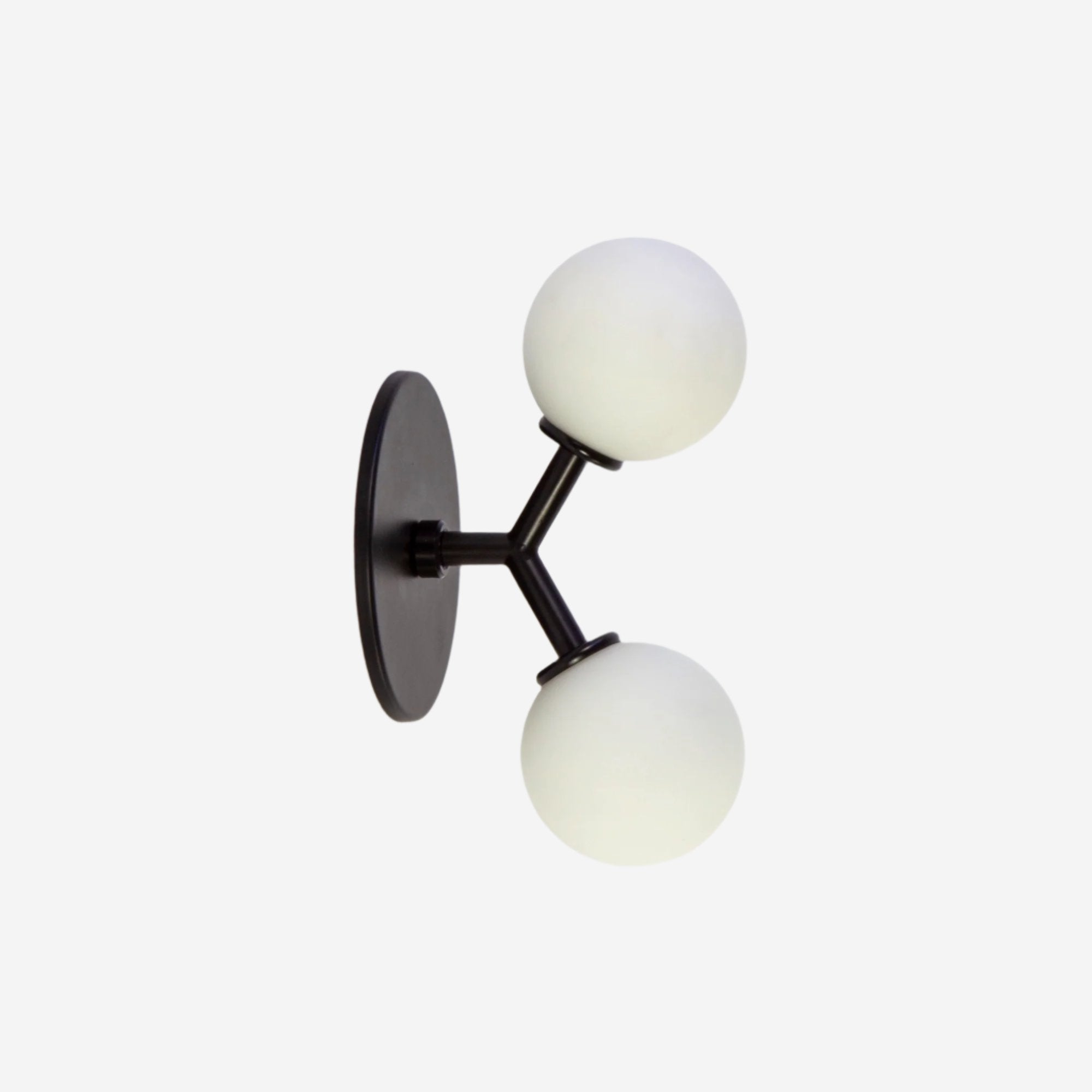
Dish Sconce with black accents from Research.Lighting
Closing / TLDR
So how bright is 150 lumens? Soft, useful, and intentionally understated. It’s ideal for accents and gentle illumination, less so for jobs that need punch or clarity. Once you get a feel for lumens instead of watts, picking the right LED fixtures becomes much easier.
In the end, 150 lumens has its place. It just depends on what you want the light to do and how you want the room to feel.